
Plantain flour is a highly versatile, gluten-free flour made from ripe or unripe plantains. It is increasingly popular in baking, food processing, and health-conscious diets, making it a profitable non-oil export commodity for Nigerian exporters.
1. What Is Plantain Flour and Why Is It Important?
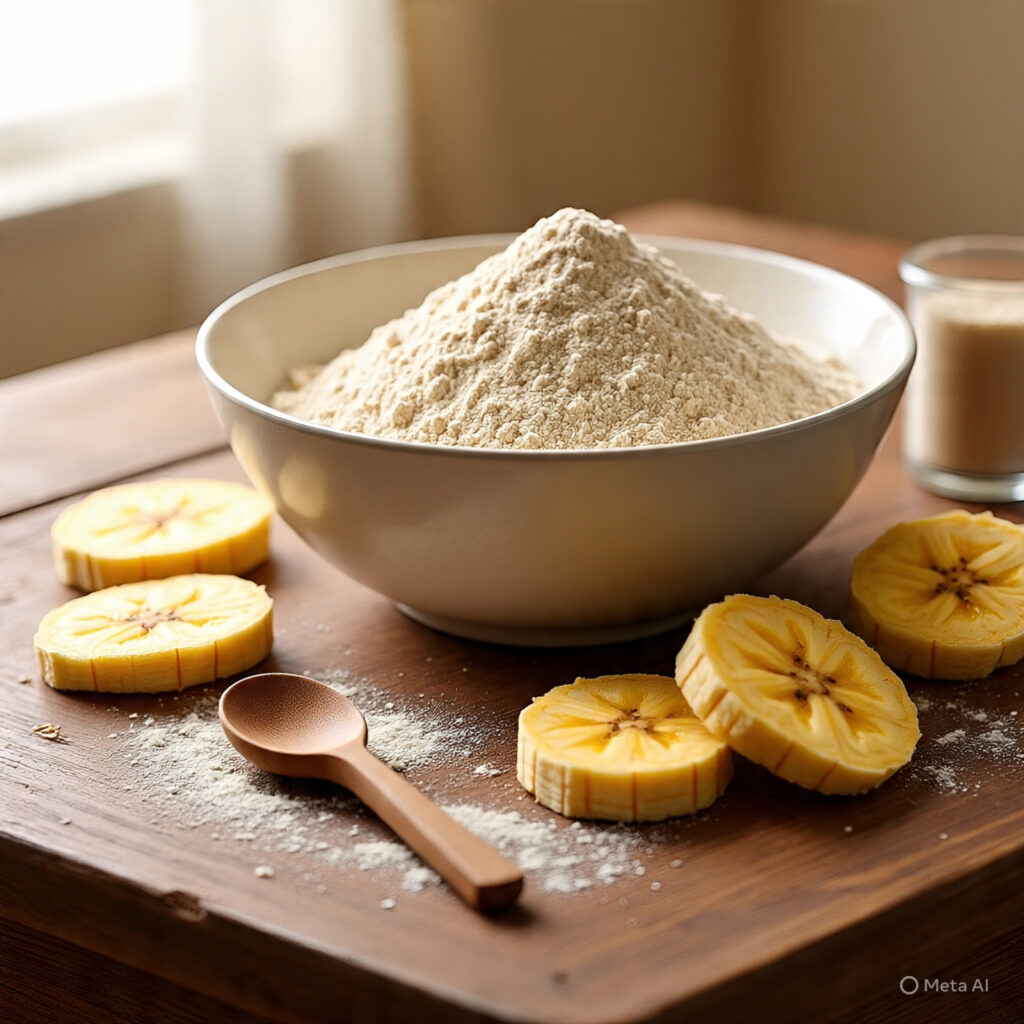
Plantain flour is produced by peeling, drying, and grinding plantains into fine powder. It is used as a wheat flour alternative in gluten-free diets and in traditional African foods.
Key Uses
-
Gluten-free baking (bread, cookies, cakes, pastries)
-
Thickening agent in soups and sauces
-
Production of traditional African dishes (amala, fufu)
-
Baby food and health products
-
Snack production (plantain chips, pancakes)
Nutritional Benefits
-
Rich in carbohydrates and dietary fiber
-
Gluten-free, suitable for celiac and lactose-intolerant consumers
-
Contains potassium and essential vitamins
-
Supports digestive health and energy metabolism
2. Why Export Plantain Flour from Nigeria?
Nigeria’s Competitive Advantage
-
Nigeria is one of the largest plantain producers in Africa
-
Affordable production and abundant raw materials
-
Existing processing facilities and skilled workforce
-
Growing international demand for gluten-free and natural flours
Plantain flour has high acceptance in Europe, North America, and Asia for both culinary and health-food markets.
3. Major Producing Areas in Nigeria
Plantains are predominantly grown in:
-
Ondo State
-
Ekiti State
-
Ogun State
-
Cross River State
-
Abia State
-
Rivers State
-
Enugu State
These regions provide fertile soils and tropical climates ideal for plantain cultivation.
4. Export Grades and Forms of Plantain Flour
Fine Plantain Flour
-
Smooth texture suitable for baking and baby foods
Medium Plantain Flour
-
Coarser granules for thickening soups and sauces
Specialty or Fortified Flours
-
Blended with other grains or fortified with vitamins
-
Value-added products targeting health-conscious consumers
5. Quality Standards for Export
International buyers expect:
-
Fine, uniform texture
-
Light cream to pale yellow color
-
Free from stones, dirt, and foreign matter
-
Low moisture content: ≤ 12% to prevent mould
-
No artificial additives or preservatives
-
Consistent flavor and aroma
Compliance with ISO, HACCP, and EU/US food safety standards enhances acceptance in premium markets.
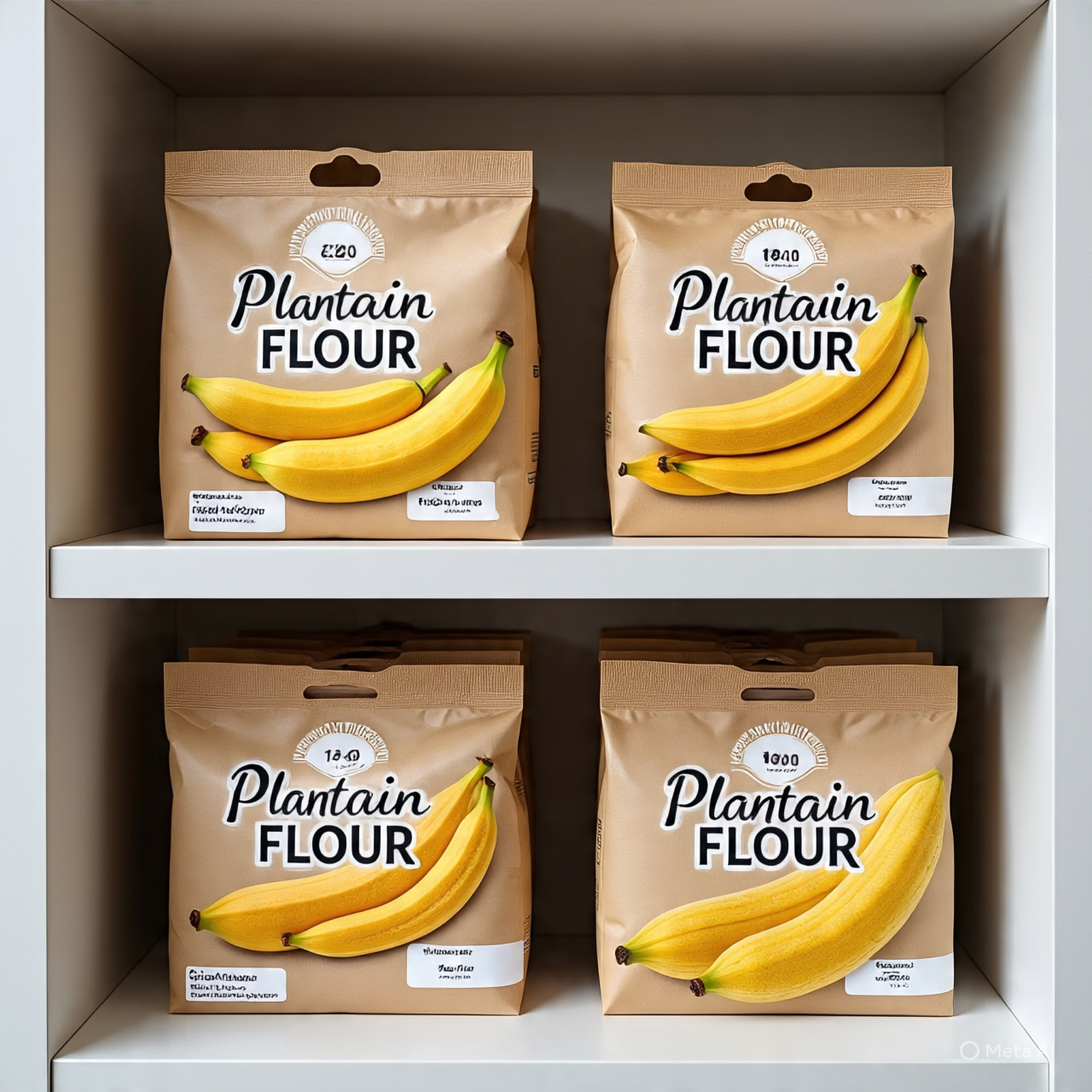
6. Packaging for Plantain Flour Export
Bulk Packaging
-
Polypropylene (PP) bags (25–50kg) with inner food-grade liners
-
Jute bags with liners for industrial buyers
Retail / Consumer Packaging
-
Laminated foil packs (250g–5kg)
-
Vacuum-sealed pouches for extended shelf life
Labeling should include:
-
Product name and type
-
Net weight
-
Country of origin (Nigeria)
-
Exporter details
-
Batch/lot number
7. Export Documentation Required
To export plantain flour from Nigeria:
-
CAC Registration Certificate
-
NEPC Exporter Certificate
-
NXP Form
-
Phytosanitary Certificate (NAQS)
-
Certificate of Origin
-
Commercial Invoice
-
Packing List
-
Bill of Lading / Airway Bill
Optional certifications:
-
Organic certification
-
HACCP / ISO 22000
8. Step-by-Step Export Process
-
Register your business with CAC & NEPC
-
Source quality plantains from trusted farmers or suppliers
-
Peel, slice, dry, and grind into fine flour
-
Conduct quality inspection and moisture testing
-
Package according to buyer specifications
-
Process export documents
-
Ship to international buyers
9. Major Global Markets
-
Europe: UK, Germany, Netherlands, France
-
North America: USA, Canada
-
Asia: Japan, China, South Korea
-
Middle East: UAE, Saudi Arabia
The demand comes from gluten-free food manufacturers, health-food brands, and African diaspora markets.
10. Challenges in Plantain Flour Export
-
Maintaining consistent moisture content
-
Competition from other gluten-free flours (cassava, rice, corn)
-
Shelf-life management during shipping
-
Compliance with EU/US food safety regulations
11. Tips for Successful Export
-
Dry plantain thoroughly to prevent mould and spoilage
-
Package in vacuum-sealed or laminated pouches for retail markets
-
Explore value-added products (fortified or blended flours)
-
Build relationships with gluten-free and health-food manufacturers abroad
-
Monitor global gluten-free market trends for strategic marketing
Conclusion
Plantain flour export from Nigeria is a high-demand, profitable, and sustainable non-oil export opportunity. With quality control, proper packaging, and strategic targeting, Nigerian exporters can supply international health-food and diaspora markets effectively.