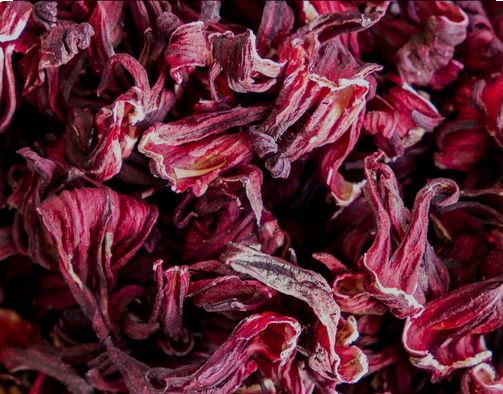
Hibiscus flower (Hibiscus sabdariffa), commonly known as Zobo leaf, is one of Nigeria’s most sought-after non-oil export commodities. Widely used in beverages, herbal teas, food processing, and medicinal products, it is a high-demand export product across the world.
1. What Is Hibiscus Flower (Zobo Leaf) and Why Is It Important?
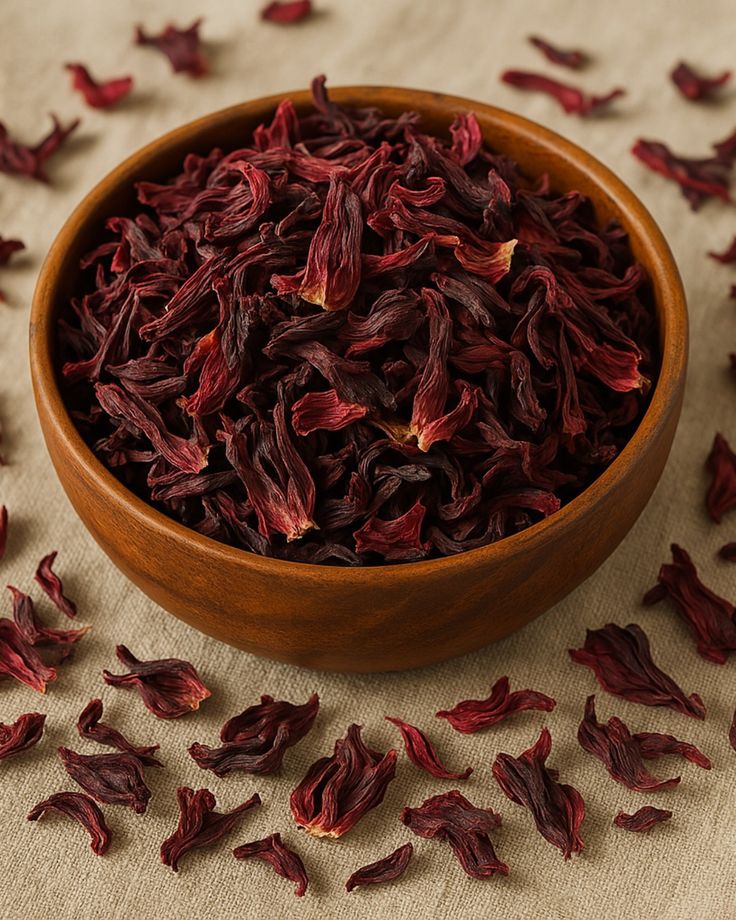
Hibiscus flower is the dried calyx of the Hibiscus sabdariffa plant, commonly used for its tart flavor, vibrant red color, and health-promoting properties.
Key Uses
-
Herbal teas and beverages (Zobo drinks)
-
Food flavoring and colorant
-
Jams, sauces, and syrups
-
Cosmetics and skincare products
-
Nutraceuticals and traditional medicine
Health Benefits
-
Rich in antioxidants and vitamin C
-
Helps in reducing blood pressure
-
Boosts immunity and supports digestion
-
Natural diuretic and detoxifier
2. Why Export Hibiscus Flower from Nigeria?
Nigeria’s Export Advantage
-
One of Africa’s largest producers of high-quality Hibiscus
-
Favorable climate for cultivation
-
Competitive pricing for premium-quality dried calyx
-
Increasing global demand for herbal teas and natural beverages
Nigeria is well-known for deep red, aromatic, and flavorful Hibiscus flowers, highly prized in Europe, the USA, and Asia.
3. Major Producing States in Nigeria
Hibiscus is predominantly cultivated in:
-
Kano State
-
Kaduna State
-
Sokoto State
-
Katsina State
-
Bauchi State
-
Zamfara State
These northern states provide semi-arid climates ideal for Hibiscus growth.
4. Export Grades and Forms of Hibiscus Flower
Whole Dried Calyx
-
Most commonly exported form
-
Used for teas, beverages, and food processing
Powdered Form
-
Value-added product
-
Used in drinks, flavorings, and natural coloring
Extracts / Concentrates
-
Industrial use in beverages, nutraceuticals, and cosmetics
5. Quality Standards for Export
International buyers expect:
-
Deep red color, uniform in size
-
Clean, free from stems, dirt, and foreign matter
-
Moisture content: ≤ 12% to prevent mould
-
Strong aroma and flavor
-
Properly dried and free from pests
Compliance with ISO, HACCP, and EU food safety standards increases market access.
6. Packaging for Hibiscus Flower Export
Bulk Packaging
-
Polypropylene (PP) bags (25–50kg)
-
Jute bags with inner food-grade liners
Retail / Consumer Packaging
-
Vacuum-sealed packs (250g–5kg)
-
Laminated foil packs for maximum shelf life
Labels should include:
-
Product name and form
-
Net weight
-
Country of origin (Nigeria)
-
Exporter details
-
Batch/lot number
7. Export Documentation Required
To export Hibiscus Flower from Nigeria:
-
CAC Registration Certificate
-
NEPC Exporter Certificate
-
NXP Form
-
Phytosanitary Certificate (NAQS)
-
Certificate of Origin
-
Commercial Invoice
-
Packing List
-
Bill of Lading / Airway Bill
-
Fumigation Certificate (if required)
Optional certifications:
-
Organic certification
-
HACCP / ISO 22000
8. Step-by-Step Export Process
-
Register your export business with CAC & NEPC
-
Source high-quality Hibiscus flowers from trusted farmers
-
Sort, clean, and properly dry the calyx
-
Conduct quality inspection and testing
-
Package according to buyer requirements
-
Process export documents
-
Ship to international buyers
9. Major Global Markets
-
Europe: UK, Germany, Netherlands, France
-
North America: USA, Canada
-
Asia: China, Japan, India
-
Middle East: UAE, Saudi Arabia
-
Africa: Ghana, South Africa
The largest demand comes from herbal tea manufacturers, beverage producers, and health-conscious consumers.
10. Challenges in Hibiscus Export
-
Moisture and mould during storage
-
Quality variation due to poor drying techniques
-
Competition from Sudan, Egypt, and Senegal
-
Compliance with EU and US food safety regulations
11. Tips for Successful Export
-
Ensure proper drying to preserve color, aroma, and taste
-
Work with certified farmers or suppliers for consistent quality
-
Explore value-added products (powder, extract)
-
Target herbal tea companies and natural beverage manufacturers
-
Use vacuum-sealed packaging for longer shelf life
Conclusion
Hibiscus Flower (Zobo Leaf) export from Nigeria offers a high-margin, globally demanded, and sustainable non-oil export opportunity. With quality control, proper packaging, and strategic marketing, Nigerian exporters can establish a strong presence in international herbal tea and beverage markets.