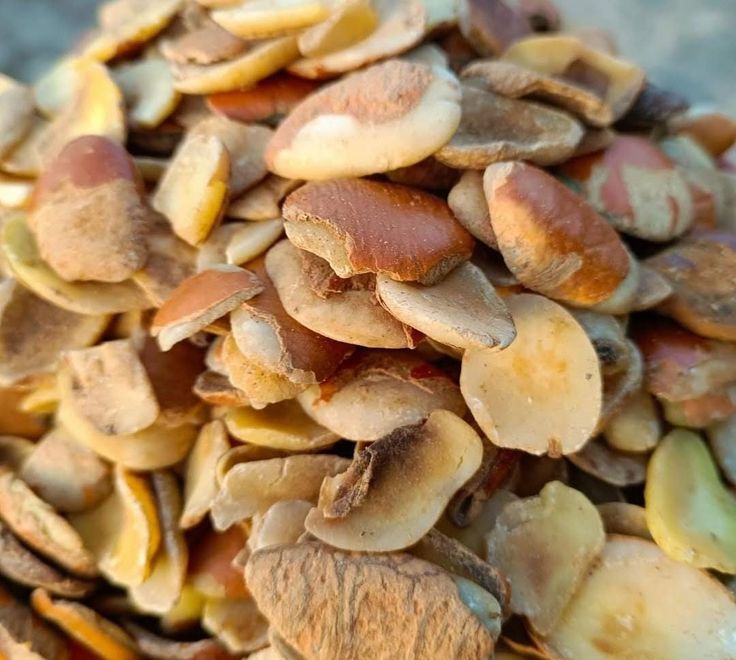

Soya beans (Glycine max) are a highly versatile legume and one of Nigeria’s major agricultural export commodities. With strong global demand for plant-based proteins, animal feed, and industrial applications, soya beans present a profitable non-oil export opportunity.
What Are Soya Beans and Why Are They Important?
Soya beans are oilseed legumes rich in protein and healthy fats, widely used in food, feed, and industrial products.
Key Uses of Soya Beans
-
Vegetable oil production
-
Animal feed (livestock, poultry, and aquaculture)
-
Soy milk, tofu, and other plant-based foods
-
Soy flour and protein concentrates
-
Industrial products (biodiesel, cosmetics, and pharmaceuticals)
Nutritional Benefits
-
High-quality protein source
-
Rich in vitamins and minerals
-
Contains isoflavones with health-promoting properties
-
Supports heart health and muscle development
Why Export Soya Beans from Nigeria?
Nigeria’s Competitive Advantage
-
Favorable climate for large-scale cultivation
-
Abundant supply in key producing states
-
Competitive pricing for high-quality beans
-
Government support for non-oil agricultural exports
Nigeria is recognized globally for high-protein soya beans suitable for food and feed industries.

Major Soya Beans Producing States in Nigeria
-
Kaduna State
-
Kano State
-
Niger State
-
Benue State
-
Kwara State
-
Taraba State
-
Kebbi State
These states provide ideal rainfall and soil conditions for year-round production.
Export Grades and Forms of Soya Beans
Raw Soya Beans
-
Most common export form
-
Used by processors for oil and feed production
Dehulled / Shelled Soya Beans
-
Value-added product
-
Used for food processing and high-protein products
Soy Protein Products
-
Textured soy protein, soy flour, and isolates
-
Used in food manufacturing
Quality Standards for Soya Beans Export
International buyers require:
-
Moisture content: ≤ 12%
-
Oil content: 18–22%
-
Free from mould, stones, and foreign matter
-
Uniform size and color
-
No GMO contamination (for some markets)
-
Low free fatty acid content
Packaging for Soya Beans Export
Bulk Export Packaging
-
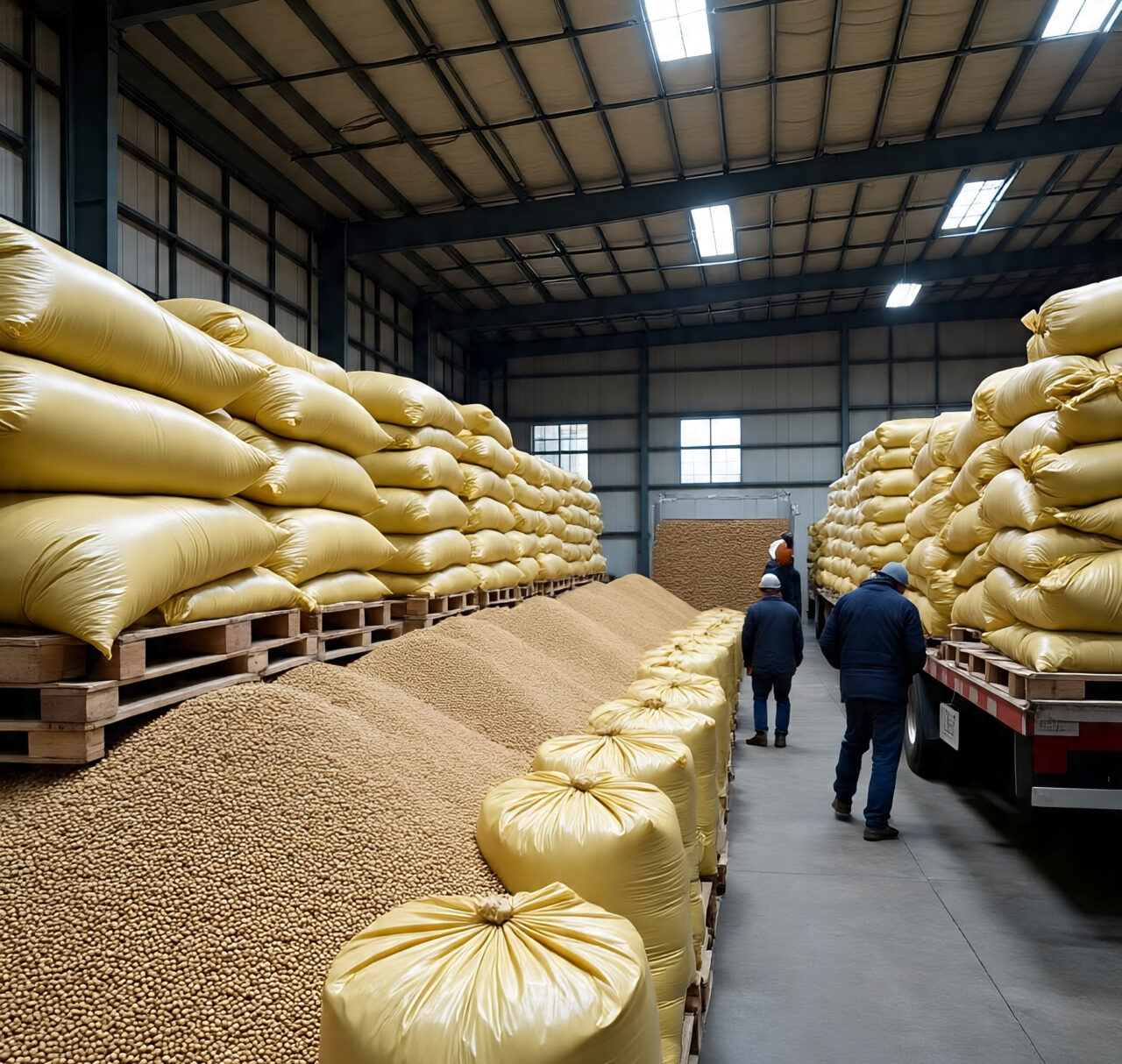
Polypropylene (PP) bags (25kg–50kg)
-
Jute bags with food-grade liners
Retail / Processed Packaging
-
Vacuum-sealed foil packs
-
Food-grade cartons for soy flour or protein products
Labeling should include:
-
Product name and grade
-
Net weight
-
Country of origin (Nigeria)
-
Exporter details
-
Batch/lot number
Export Documentation Required
To export soya beans from Nigeria, you need:
-
CAC Registration Certificate
-
NEPC Exporter Certificate
-
NXP Form
-
Phytosanitary Certificate (NAQS)
-
Certificate of Origin
-
Commercial Invoice
-
Packing List
-
Bill of Lading / Airway Bill
-
Fumigation Certificate (if required)
Optional certifications:
-
Organic certification
-
HACCP / ISO 22000
Step-by-Step Export Process
-
Register your export business (CAC & NEPC)
-
Source quality soya beans from trusted farmers
-
Clean, sort, and grade beans
-
Conduct quality inspection and testing
-
Package according to buyer requirements
-
Process export documents
-
Ship and track delivery
Major Global Markets for Soya Beans
-
Asia: China, India, Japan, South Korea
-
Europe: Netherlands, Germany, Spain
-
North America: USA, Canada
-
Middle East: UAE, Saudi Arabia
-
Africa: Egypt, South Africa
China and India are among the largest importers for industrial and food-grade soya beans.

Challenges in Soya Beans Export
-
Price fluctuations in international markets
-
Moisture control during storage and transport
-
Competition from other producing countries
-
Compliance with strict EU and US food safety standards
Tips for Successful Soya Beans Export
-
Export raw beans first to establish market credibility
-
Use proper drying and moisture control
-
Invest in high-quality sorting and grading facilities
-
Explore value addition (dehulled beans, soy flour)
-
Monitor global commodity prices regularly
Conclusion
Soya beans export from Nigeria offers a profitable, scalable, and sustainable non-oil export opportunity. By focusing on quality, certification, and packaging, Nigerian exporters can access lucrative international markets and grow long-term trade relationships.