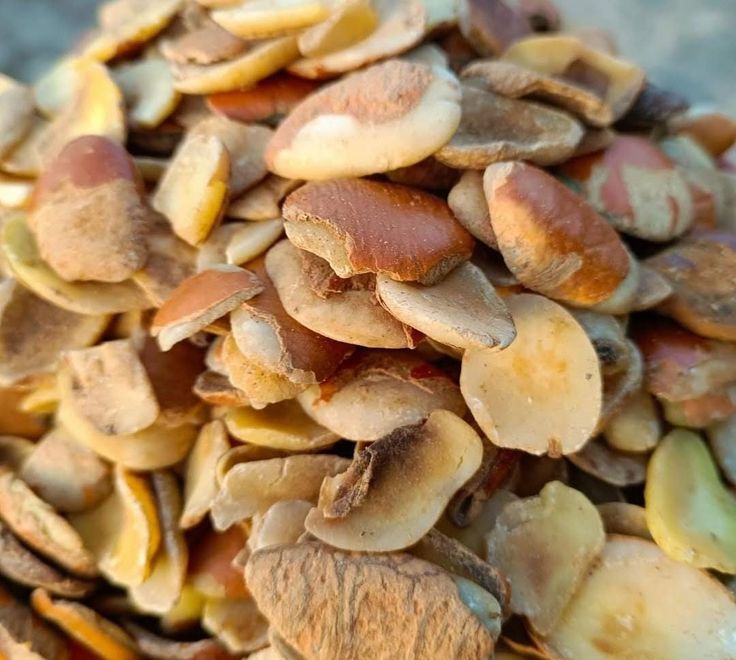
Ogbono, also known as African bush mango seeds or wild mango seeds, is a popular West African food ingredient used to prepare thickening soups and stews. It is a high-demand non-oil export commodity due to its culinary, nutritional, and medicinal applications.
1. What Is Ogbono and Why Is It Important?
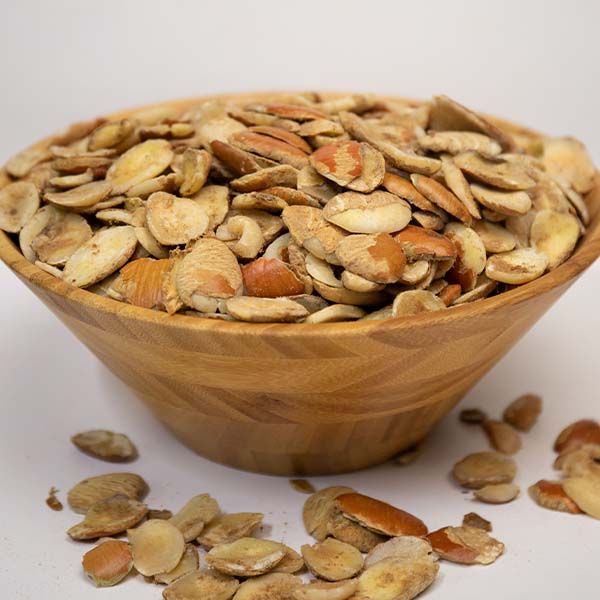
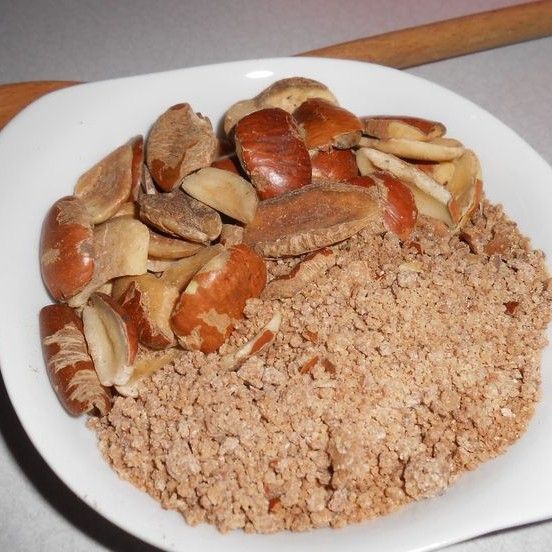
Ogbono refers to the dried seeds of the Irvingia gabonensis tree. When ground, it forms a mucilaginous powder that thickens soups, giving them a distinct texture and flavor.
Key Uses
-
Thickening agent for traditional soups like Ogbono soup
-
Food processing and culinary applications
-
Ingredients in soups, sauces, and local dishes
-
Nutritional and herbal supplements
Nutritional and Health Benefits
-
Rich in fiber and essential fats
-
Contains antioxidants and protein
-
Helps regulate cholesterol and supports digestive health
-
Promotes satiety and weight management
2. Why Export Ogbono from Nigeria?
Nigeria’s Competitive Advantage
-
Nigeria is one of Africa’s largest producers of Ogbono seeds
-
Abundant wild harvests and cultivated sources
-
Established supply chains and processing facilities
-
Growing global demand in diaspora communities, health-food sectors, and herbal product manufacturers
Ogbono is especially valued in Europe, North America, and the Middle East for its authentic West African culinary applications.
3. Major Producing Areas in Nigeria
Ogbono trees are predominantly found in:
-
Edo State
-
Delta State
-
Cross River State
-
Akwa Ibom State
-
Rivers State
-
Ondo State
These regions provide tropical rainforest climates ideal for wild and cultivated Ogbono growth.
4. Export Grades and Forms of Ogbono
Whole Dried Seeds
-
Most common form for retail and bulk export
-
Preserves flavor and natural oils
Ground Ogbono Powder
-
Ready-to-use for thickening soups and sauces
-
Suitable for food processing industries
Value-Added or Packaged Ogbono
-
Vacuum-sealed for retail markets
-
Branded and portioned packaging for diaspora consumers
5. Quality Standards for Export
International buyers expect:
-
Clean, mature, and dry seeds
-
Free from stones, dirt, and foreign matter
-
Uniform size and color (brown to dark brown)
-
Properly dried to prevent mould (moisture content ≤ 12%)
-
Free from artificial additives or preservatives
Compliance with ISO, HACCP, and EU/US food safety regulations is recommended.

6. Packaging for Ogbono Export
Bulk Packaging
-
Polypropylene (PP) bags (25–50kg) with inner food-grade liners
-
Suitable for wholesale buyers
Retail / Consumer Packaging
-
Laminated foil packs (250g–5kg)
-
Vacuum-sealed packs for freshness
Labeling should include:
-
Product name and form (whole or ground)
-
Net weight
-
Country of origin (Nigeria)
-
Exporter details
-
Batch/lot number
7. Export Documentation Required
To export Ogbono from Nigeria:
-
CAC Registration Certificate
-
NEPC Exporter Certificate
-
NXP Form
-
Phytosanitary Certificate (NAQS)
-
Certificate of Origin
-
Commercial Invoice
-
Packing List
-
Bill of Lading / Airway Bill
Optional certifications:
-
Organic certification
-
HACCP / ISO 22000
8. Step-by-Step Export Process
-
Register your export business with CAC & NEPC
-
Source high-quality Ogbono seeds from farmers or wild harvests
-
Sort, clean, and dry seeds thoroughly
-
Package according to buyer specifications
-
Process export documents
-
Ship to international buyers
9. Major Global Markets
-
Europe: UK, Germany, Netherlands, France
-
North America: USA, Canada
-
Africa: Ghana, South Africa
-
Middle East: UAE, Saudi Arabia
Demand comes from African diaspora communities, traditional food suppliers, and herbal/nutraceutical manufacturers.
10. Challenges in Ogbono Export
-
Maintaining consistent quality during storage and transit
-
Protecting against moisture and mould
-
Seasonal supply variations due to harvest cycles
-
Compliance with international food safety standards
Conclusion
Ogbono export from Nigeria is a profitable, high-demand, and sustainable non-oil export commodity. With quality assurance, proper packaging, and strategic market targeting, Nigerian exporters can effectively supply diaspora communities and international culinary markets.