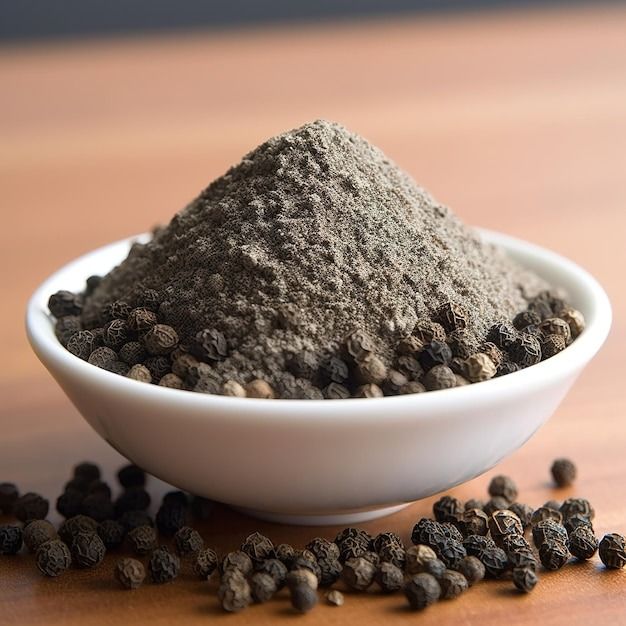
Black pepper (Piper nigrum), often referred to as the “King of Spices,” is one of the most widely traded spices in the world. It is prized for its strong aroma, pungency, and versatility across culinary, pharmaceutical, and industrial applications. With increasing global demand for natural spices, black pepper presents a profitable export opportunity for Nigerian exporters.
What Is Black Pepper and Why Is It Important?
Black pepper is produced from the dried unripe berries (peppercorns) of the Piper nigrum plant.
Major Uses of Black Pepper
-
Culinary seasoning and spice blends
-
Food processing and preservation
-
Pharmaceuticals and herbal medicine
-
Essential oil and oleoresin production
-
Cosmetic and wellness products
Health Benefits Driving Demand
-
Aids digestion
-
Anti-inflammatory and antioxidant properties
-
Enhances nutrient absorption
-
Used in traditional and modern medicine
Why Export Black Pepper from Nigeria?
Nigeria’s Export Advantages
-
Suitable tropical climate for pepper cultivation
-
Growing local production and supply networks
-
Competitive pricing compared to Asian exporters
-
Increasing global acceptance of African spices
As buyers seek alternative sourcing regions beyond Asia, Nigeria is gradually positioning itself as an emerging supplier of quality black pepper.

Major Black Pepper Producing Areas in Nigeria
Black pepper is cultivated mainly in:
-
Cross River State
-
Akwa Ibom State
-
Ondo State
-
Edo State
-
Ogun State
These areas offer favorable rainfall and soil conditions.
Export Forms of Black Pepper
Black pepper is exported in several forms depending on buyer demand:
Whole Black Peppercorns
-
Most common export form
-
Used in food processing and spice blending
Cracked / Crushed Black Pepper
-
Preferred by food manufacturers and restaurants
Black Pepper Powder
-
Value-added product
-
Used in seasoning blends and ready-to-eat foods
Black Pepper Oil / Oleoresin
-
High-value extract
-
Used in pharmaceuticals, cosmetics, and food flavoring
Quality Standards for Black Pepper Export
International buyers require:
-
Fully mature peppercorns
-
Moisture content: ≤ 10–12%
-
High piperine content (key pungent compound)
-
Clean, uniform black color
-
Free from mould, pests, and foreign matter
-
Acceptable microbial and chemical residue levels
Maintaining quality is essential to avoid rejection at destination ports.
Packaging for Black Pepper Export
Whole Peppercorns
-
Polypropylene (PP) bags (25kg–50kg)
-
Jute bags with inner liners
Crushed or Powdered Pepper
-
Sealed foil bags
-
Food-grade plastic containers
-
Drums for bulk export
Packaging labels should include:
-
Product name and form
-
Country of origin (Nigeria)
-
Net weight
-
Exporter details
-
Batch/lot number

Export Documentation Required
To export black pepper from Nigeria, the following documents are required:
-
CAC Registration Certificate
-
NEPC Exporter Certificate
-
NXP Form
-
Phytosanitary Certificate (NAQS)
-
Certificate of Origin
-
Commercial Invoice
-
Packing List
-
Bill of Lading / Airway Bill
-
Fumigation Certificate (if required)
Optional certifications for premium markets:
-
Organic certification
-
HACCP
-
ISO food safety standards
Steps to Export Black Pepper from Nigeria
-
Register with CAC and NEPC
-
Source quality pepper from trusted farmers
-
Clean, dry, and grade peppercorns
-
Conduct quality tests and inspection
-
Package and label according to buyer specifications
-
Arrange logistics and shipment
-
Deliver and follow up with buyers
Major Import Markets for Black Pepper
-
Europe: UK, Netherlands, Germany, France
-
Middle East: UAE, Saudi Arabia
-
Asia: India, China, Vietnam
-
North America: USA, Canada
-
Africa: South Africa, Egypt
Demand is particularly strong for clean, high-piperine black pepper.
Challenges in Black Pepper Export
-
Competition from major global producers
-
Maintaining consistent quality and pungency
-
Compliance with strict EU/US food safety standards
-
Proper drying and storage to prevent mould
Success Tips for Black Pepper Exporters
-
Invest in proper drying and storage facilities
-
Focus on whole peppercorn export initially
-
Test moisture and piperine content
-
Build strong supplier relationships
-
Gradually expand into value-added products
Conclusion
Black pepper export from Nigeria is a promising non-oil export opportunity with strong global demand. By focusing on quality, certification, and value addition, Nigerian exporters can successfully penetrate international markets and build sustainable export businesses.