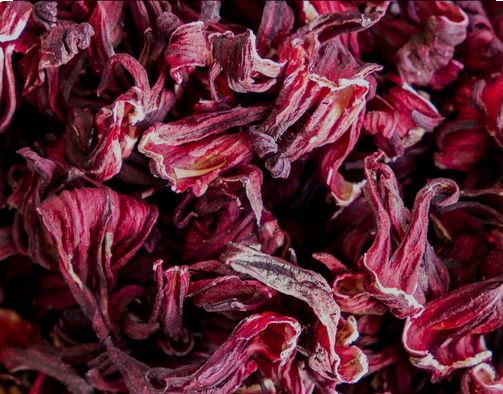

Black Stone Flower, commonly referred to as “Black Stone Herb”, is a highly aromatic spice widely used in global cuisines, herbal medicine, and food processing. Its unique flavor, medicinal properties, and exotic appeal make it a high-value spice for international trade, especially in Asian, European, and Middle Eastern markets.
1. What Is Black Stone Flower and Why Is It Important?
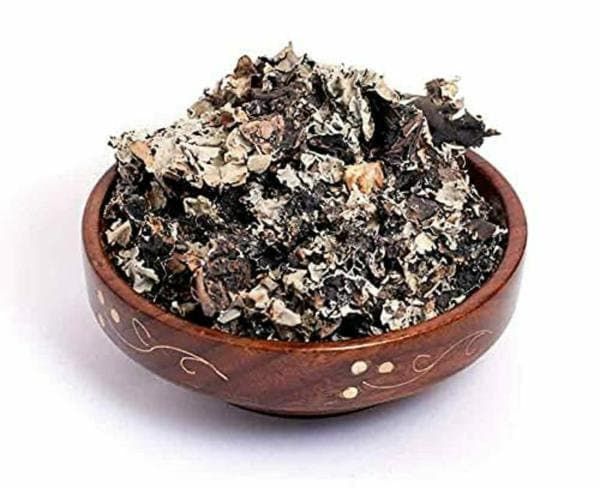
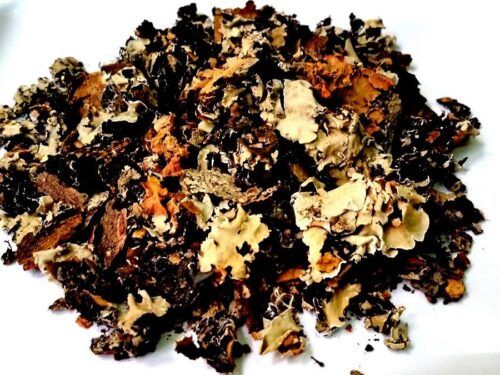
Black Stone Flower (Kaempferia galanga) is a small, dark-colored, dried fungus-like spice traditionally used in Indian, Nigerian, and Asian cuisines. Despite its name, it is not a flower but a lichen-like spice.
Key Uses
-
Culinary spice for curries, soups, and stews
-
Herbal medicine and traditional remedies
-
Spice blends and seasoning mixes
-
Natural food colorant and flavor enhancer
Health & Nutritional Benefits
-
Anti-inflammatory and digestive aid
-
Rich in antioxidants
-
Enhances metabolism
-
Supports respiratory health
2. Why Export Black Stone Flower from Nigeria?
Nigeria’s Competitive Advantage
-
Indigenous production in southern and central regions
-
Increasing interest in exotic spices worldwide
-
Affordable and competitive pricing compared to Asian sources
-
Growing reputation for natural, high-quality spices
Exporting black stone flower can target niche markets and premium buyers seeking exotic flavors and herbal remedies.
3. Major Producing Areas in Nigeria
Black Stone Flower is mainly harvested in:
-
Cross River State
-
Akwa Ibom State
-
Edo State
-
Ondo State
-
Ogun State
These regions provide humid tropical conditions suitable for the growth of wild and cultivated varieties.
4. Export Forms of Black Stone Flower
Whole Dried Pieces
-
Most common export form
-
Used in culinary and spice blends
Powdered Form
-
Value-added form
-
Used in seasonings, sauces, and herbal products
Extracts / Oils
-
Used in natural remedies and nutraceuticals
5. Quality Standards for Export
International buyers expect:
-
Dark black-brown, uniform pieces
-
Strong, earthy aroma
-
Moisture content: ≤ 10%
-
Free from mould, dirt, and foreign matter
-
Properly dried and well-preserved to avoid spoilage
6. Packaging for Black Stone Flower Export
Bulk Packaging
-
Polypropylene (PP) bags (25–50kg)
-
Jute bags with inner food-grade liners
Retail & Powdered Packaging
-
Vacuum-sealed foil packs
-
Food-grade plastic containers
-
Bulk drums for industrial buyers
Labels should include:
-
Product name and form
-
Net weight
-
Country of origin (Nigeria)
-
Exporter details
-
Batch/lot number

7. Export Documentation Required
To export Black Stone Flower from Nigeria, exporters need:
-
CAC Registration Certificate
-
NEPC Exporter Certificate
-
NXP Form
-
Phytosanitary Certificate (NAQS)
-
Certificate of Origin
-
Commercial Invoice
-
Packing List
-
Bill of Lading / Airway Bill
-
Fumigation Certificate (if required)
Optional certifications for niche or premium markets:
-
Organic certification
-
HACCP / ISO 22000
8. Step-by-Step Export Process
-
Register your export business (CAC & NEPC)
-
Source high-quality black stone flower from trusted farmers or collectors
-
Clean, sort, and grade the spice
-
Conduct quality inspection
-
Package according to buyer requirements
-
Process export documents
-
Ship and track delivery
9. Major Global Markets
-
Asia: India, China, Indonesia
-
Europe: Germany, Netherlands, UK
-
Middle East: UAE, Saudi Arabia
-
North America: USA, Canada
The demand is highest among cultural cuisine buyers, herbal medicine companies, and premium spice importers.
10. Challenges in Black Stone Flower Export
-
Limited global awareness compared to other spices
-
Quality inconsistency from smallholder suppliers
-
Moisture management to prevent spoilage
-
Strict EU and US food safety regulations for herbal spices
11. Tips for Successful Export
-
Start with whole dried pieces to reduce rejection risk
-
Maintain low moisture levels to avoid mould
-
Work with trusted suppliers for consistent quality
-
Target niche and premium spice buyers
-
Explore value-added products (powder, extracts)
Conclusion
Black Stone Flower is a high-margin, niche export commodity for Nigerian exporters. With proper quality control, certification, and targeted marketing, Nigeria can supply this exotic spice to global markets and establish a strong presence in the international spice trade.