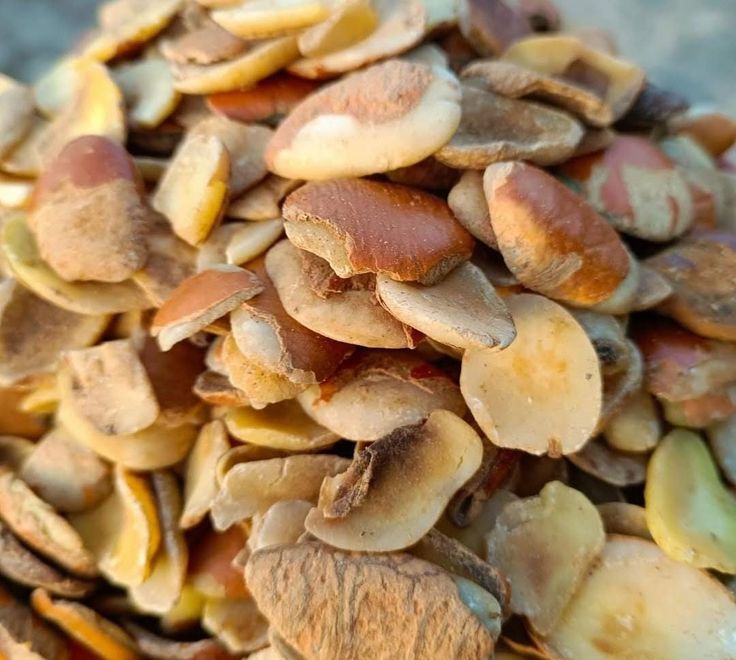

Palm oil is one of Nigeria’s most important agricultural commodities and a major non-oil export product. Extracted from the fruit of the oil palm tree (Elaeis guineensis), it is widely used in food, cosmetics, and industrial applications, making it a profitable and high-demand export commodity.
1. What Is Palm Oil and Why Is It Important?
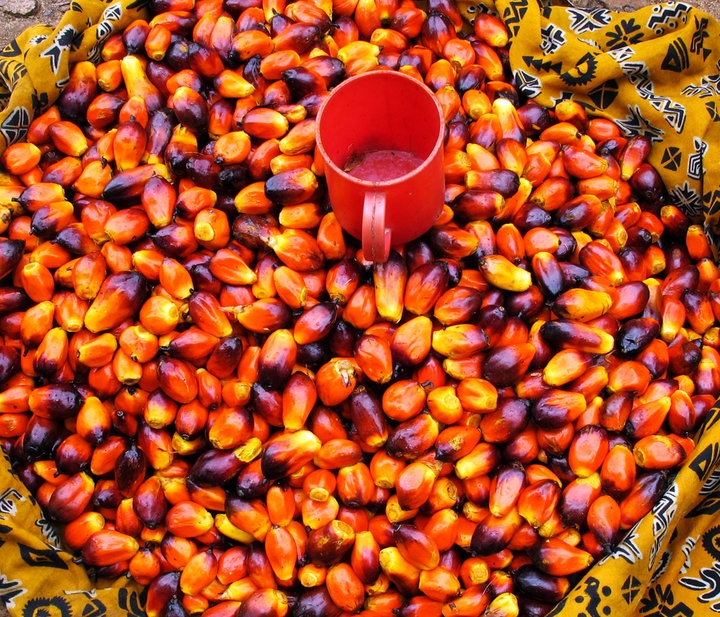
Palm oil is a red-orange vegetable oil extracted from the pulp of oil palm fruit. It is a versatile raw material with applications in both domestic consumption and international industries.
Key Uses
-
Cooking oil for households and food processing
-
Margarine, shortening, and bakery products
-
Confectionery (chocolate, candy)
-
Cosmetics and soaps
-
Biofuels and industrial lubricants
Nutritional Benefits
-
Rich in vitamin A and E
-
Provides essential fatty acids
-
High caloric value for energy
2. Why Export Palm Oil from Nigeria?
Nigeria’s Competitive Advantage
-
One of Africa’s largest producers of crude palm oil
-
Abundant oil palm plantations in southern regions
-
Established processing and refining industries
-
Competitive pricing in international markets
Nigeria’s palm oil is highly valued in Africa, Europe, and Asia, especially for unrefined (crude) and semi-refined varieties.
3. Major Producing States in Nigeria
Palm oil is predominantly produced in:
-
Ondo State
-
Rivers State
-
Cross River State
-
Akwa Ibom State
-
Edo State
-
Delta State
-
Bayelsa State
These states provide tropical climate and fertile soils suitable for large-scale oil palm cultivation.
4. Export Grades and Forms of Palm Oil
Crude Palm Oil (CPO)
-
Unrefined, minimally processed
-
Used in cooking and industrial applications
Refined Palm Oil
-
Suitable for margarine, baking, and processed foods
-
Complies with international food safety standards
Fractionated or Specialty Oils
-
Olein (liquid portion) and stearin (solid portion)
-
Used in confectionery, cosmetics, and pharmaceuticals
5. Quality Standards for Export
International buyers expect:
-
Free from dirt, water, and foreign matter
-
Bright red to orange color for crude oil
-
Free fatty acid (FFA) content: ≤ 5% for crude, ≤ 0.5% for refined
-
Complies with Codex Alimentarius and ISO 9001 standards
-
Properly packaged and preserved to prevent rancidity
6. Packaging for Palm Oil Export
Bulk Packaging
-
Steel drums (180–200kg)
-
Food-grade containers with tight seals
Retail / Consumer Packaging
-
Plastic jerry cans (5–25kg)
-
Vacuum-sealed pouches for smaller quantities
Labels should include:
-
Product name and grade
-
Net weight
-
Country of origin (Nigeria)
-
Exporter details
-
Batch/lot number
7. Export Documentation Required

To export palm oil from Nigeria:
-
CAC Registration Certificate
-
NEPC Exporter Certificate
-
NXP Form
-
Phytosanitary Certificate (NAQS)
-
Certificate of Origin
-
Commercial Invoice
-
Packing List
-
Bill of Lading / Airway Bill
-
Quality/FFA Certificate
Optional certifications:
-
Organic certification
-
HACCP / ISO 22000
-
RSPO (Roundtable on Sustainable Palm Oil) for sustainable exports
8. Step-by-Step Export Process
-
Register your export business with CAC & NEPC
-
Source high-quality palm fruits or crude/refined oil from processors
-
Conduct quality testing (FFA, moisture content, color)
-
Package according to buyer specifications
-
Process export documentation
-
Ship to international buyers
9. Major Global Markets
-
Africa: Ghana, Senegal, South Africa
-
Europe: UK, Netherlands, Germany, France
-
Asia: India, China, Malaysia, UAE
-
North America: USA, Canada
The largest demand comes from food processing industries, margarine and confectionery manufacturers, and soap producers.
10. Challenges in Palm Oil Export
-
Maintaining quality during storage and transit
-
Competition from Malaysia and Indonesia in global markets
-
Compliance with international food safety regulations
-
Price fluctuations due to local supply and seasonal production
11. Tips for Successful Export
-
Ensure proper refining and FFA testing for buyer satisfaction
-
Explore niche markets for organic or sustainable palm oil
-
Use proper bulk and retail packaging to preserve quality
-
Maintain relationships with processors for consistent supply
-
Monitor international palm oil price trends for strategic export
Conclusion
Palm oil export from Nigeria is a high-demand, high-margin, and sustainable non-oil export opportunity. With quality control, proper packaging, certification, and market targeting, Nigerian exporters can compete successfully in global food, cosmetic, and industrial markets.