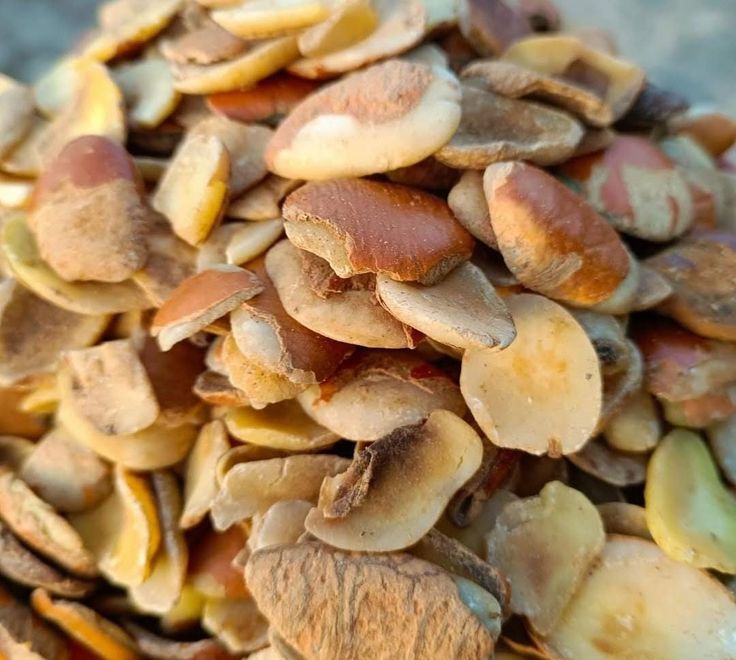
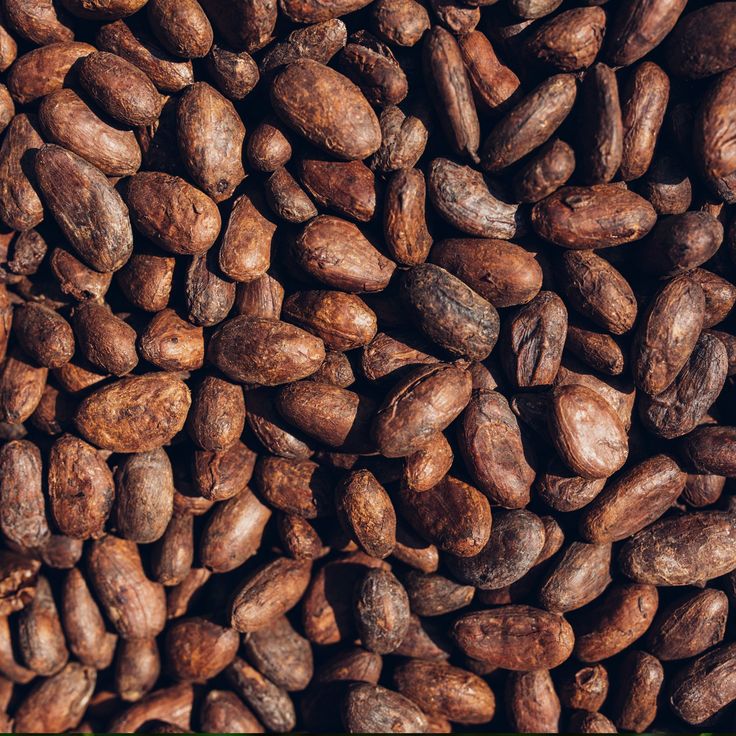
Cocoa (Theobroma cacao) is one of Nigeria’s most important agricultural export commodities and a major contributor to the country’s non-oil export earnings. Globally, cocoa is the primary raw material for chocolate, beverages, cosmetics, and pharmaceuticals, making it a high-demand, high-value export product.
What Is Cocoa and Why Is It Important?
Cocoa beans are seeds obtained from cocoa pods grown on cocoa trees. After harvesting, the beans undergo fermentation, drying, and grading before export.
Key Uses of Cocoa
-
Chocolate and confectionery production
-
Cocoa powder and cocoa butter
-
Beverages and bakery products
-
Cosmetics and skincare products
-
Pharmaceuticals and nutraceuticals
Economic Importance
-
Strong global demand year-round
-
Traded on international commodity exchanges
-
Price benchmarked globally
-
Long-established export value chain
Why Export Cocoa from Nigeria?
Nigeria’s Export Advantage
-
One of Africa’s top cocoa-producing countries
-
Favorable tropical climate
-
Competitive production cost
-
Long history of cocoa export
-
Increasing acceptance in premium markets
Nigeria is well known for producing natural, bulk cocoa beans suitable for both industrial and specialty markets.
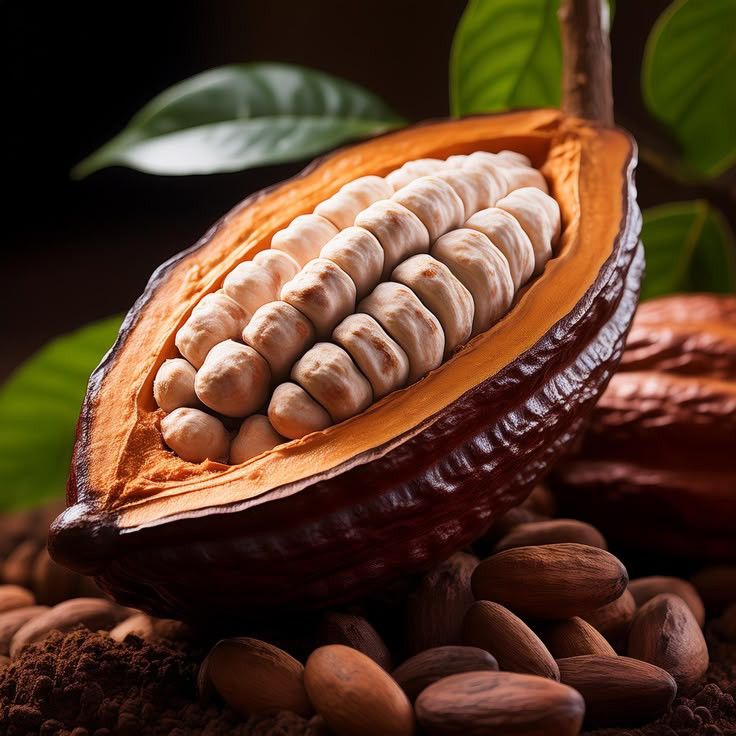
Major Cocoa Producing States in Nigeria
Cocoa is mainly cultivated in:
-
Ondo State (largest producer)
-
Osun State
-
Oyo State
-
Ekiti State
-
Ogun State
-
Cross River State
-
Edo State
These regions provide ideal rainfall and soil conditions.
Export Forms of Cocoa
Raw Cocoa Beans
-
Most common export form
-
Used by chocolate manufacturers worldwide
Cocoa Liquor
-
Ground cocoa nibs
-
Used for chocolate and cocoa powder production
Cocoa Butter
-
Used in chocolate, cosmetics, and pharmaceuticals
Cocoa Powder
-
Used in beverages, baking, and food processing
Quality Standards for Cocoa Export
International buyers require:
For Cocoa Beans
-
Well-fermented beans
-
Moisture content: ≤ 7.5%
-
Free from mould, insects, and foreign matter
-
Uniform bean size
-
Low slate and flat bean count
-
No smoky odor or contamination
Cocoa beans are graded as:
-
Grade 1 (Premium)
-
Grade 2 (Standard)
Packaging for Cocoa Export
Bulk Packaging
-
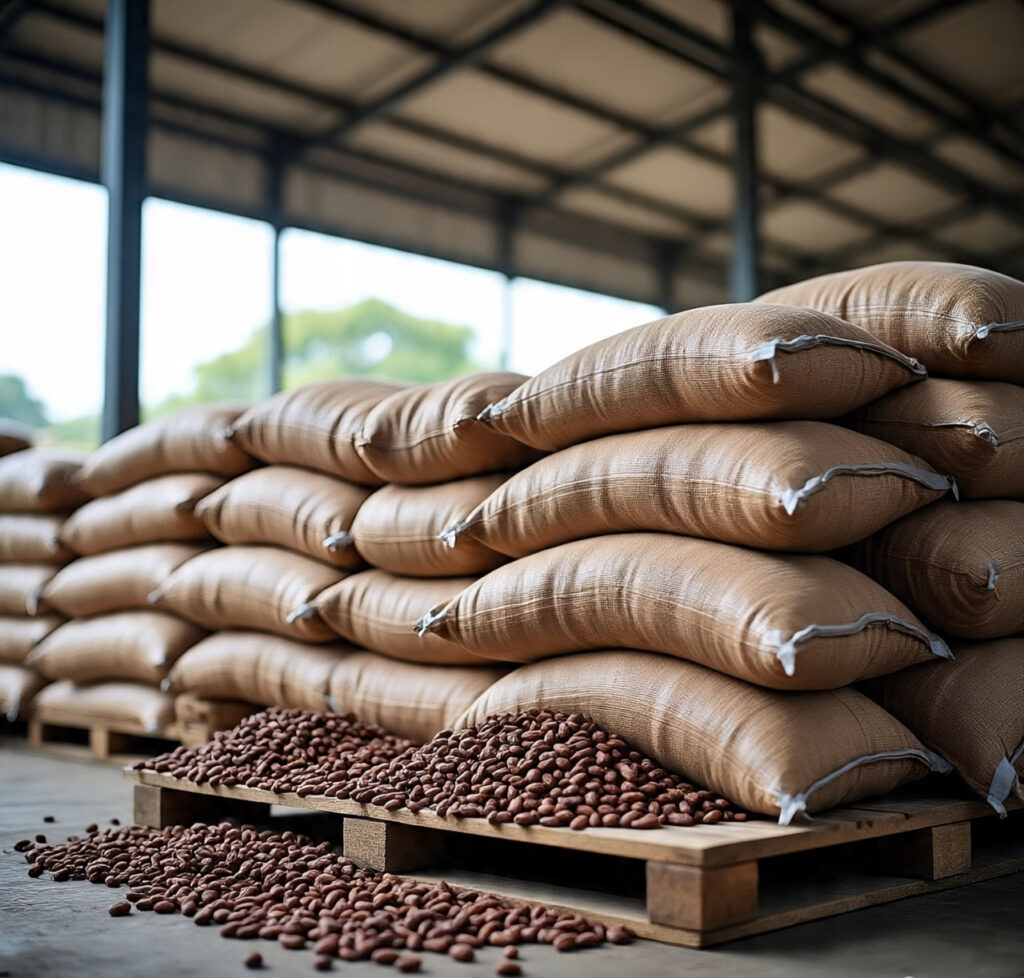
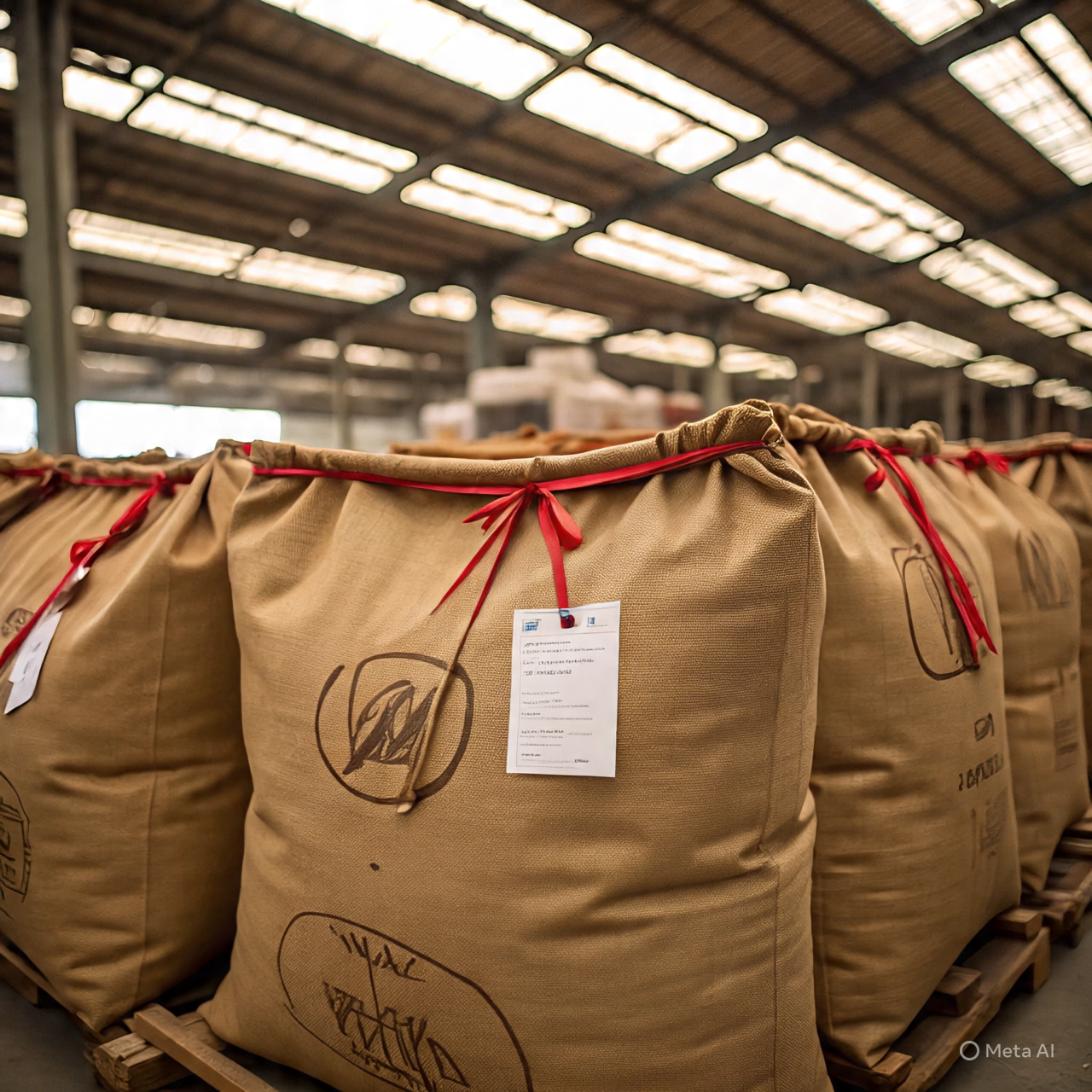
Jute bags (62.5kg standard)
-
Clearly marked with exporter and batch details
Processed Cocoa Products
-
Food-grade cartons
-
Sealed industrial bags or drums
Label information includes:
-
Product name and grade
-
Net weight
-
Country of origin (Nigeria)
-
Exporter details
-
Batch/lot number
Export Documentation Required
To export cocoa from Nigeria, exporters must obtain:
-
CAC Registration Certificate
-
NEPC Exporter Certificate
-
NXP Form
-
Phytosanitary Certificate (NAQS)
-
Quality Certificate
-
Certificate of Origin
-
Commercial Invoice
-
Packing List
-
Bill of Lading / Airway Bill
-
Fumigation Certificate
Optional certifications for premium markets:
-
Organic certification
-
Fairtrade
-
Rainforest Alliance
-
ISO / HACCP
Step-by-Step Cocoa Export Process
-
Register export business (CAC & NEPC)
-
Source cocoa beans from licensed buying agents or farmers
-
Ferment and dry beans properly
-
Conduct grading and quality inspection
-
Bag and label cocoa beans
-
Process export documentation
-
Ship through approved ports
Major Global Markets for Nigerian Cocoa
-
Europe: Netherlands, Germany, Belgium, France
-
Asia: Indonesia, Malaysia, China
-
North America: USA, Canada
-
Middle East: UAE
The Netherlands is one of the largest cocoa processing hubs globally.
Challenges in Cocoa Export
-
Price fluctuations in international markets
-
Quality issues due to poor fermentation
-
Climate change impact on yields
-
Strict sustainability and traceability requirements
Tips for Successful Cocoa Export
-
Maintain proper fermentation and drying practices
-
Invest in quality control and grading
-
Target certified and specialty cocoa markets
-
Use proper storage to prevent mould
-
Monitor global cocoa price trends
Conclusion
Cocoa export from Nigeria remains a high-volume, high-value non-oil export opportunity. With proper quality management, compliance with international standards, and strategic market targeting, exporters can build a profitable and sustainable cocoa export business.