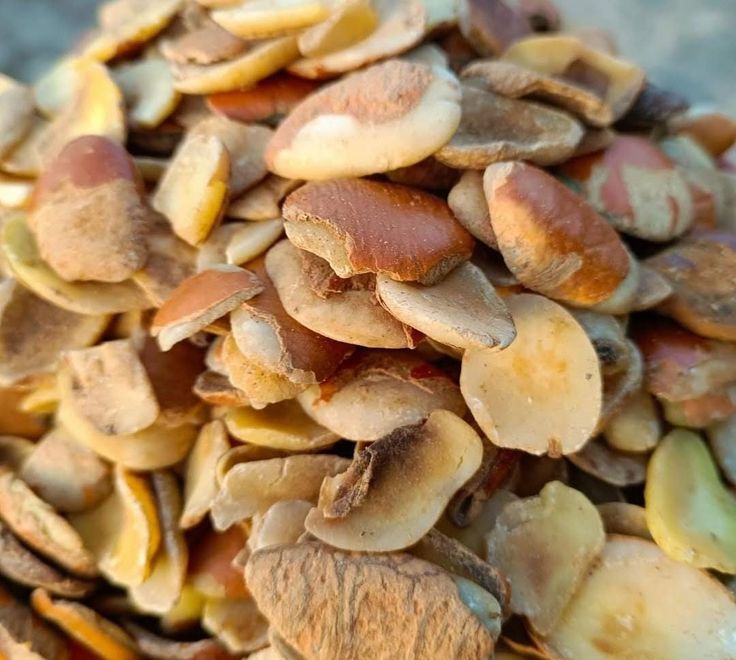

Alligator Pepper (Aframomum melegueta), also known as Grains of Paradise, is a premium African spice valued globally for its distinctive peppery flavor, medicinal benefits, and cultural significance. With rising global interest in natural spices, herbal products, and ethnic foods, alligator pepper has become a high-value niche export product for Nigeria.
What Is Alligator Pepper?
Alligator pepper is a seed spice from a plant in the ginger family (Zingiberaceae). The seeds are found inside pods that resemble an alligator’s back—hence the name.
Key Uses
-
Culinary spice in African and international dishes
-
Beverage flavoring (craft beers, gin, herbal drinks)
-
Herbal medicine and supplements
-
Pharmaceutical and nutraceutical products
-
Traditional ceremonies and cultural practices
Why Export Alligator Pepper from Nigeria?
Nigeria’s Competitive Advantage
-
Indigenous to West Africa
-
Strong local expertise in cultivation and processing
-
Naturally high pungency and aroma
-
Growing global demand for exotic and functional spices
Nigeria remains one of the top global sources of authentic alligator pepper.

Major Producing Areas in Nigeria
Alligator pepper is widely cultivated in:
-
Cross River State
-
Akwa Ibom State
-
Ondo State
-
Ogun State
-
Edo State
-
Delta State
These regions provide ideal rainforest and humid conditions.
Export Forms of Alligator Pepper
Whole Seeds
-
Most common export form
-
Preferred by international spice buyers
Dried Pods
-
Exported intact for processing abroad
Ground (Powdered) Alligator Pepper
-
Value-added form
-
Used in seasoning blends and supplements
Extracts
-
Used in pharmaceuticals and beverages
Quality Standards for Export
International buyers expect:
-
Clean, mature seeds
-
Strong peppery aroma
-
Moisture content: ≤ 10–12%
-
Uniform size and color
-
Free from mould, insects, stones, or foreign matter
-
Proper drying to prevent aflatoxin contamination
Packaging for Alligator Pepper Export
Whole Seeds / Pods
-
Polypropylene (PP) bags (25kg–50kg)
-
Jute bags with inner food-grade liners
Powdered Form
-
Sealed foil pouches
-
Food-grade plastic containers
-
Bulk drums for industrial buyers
Export labels should include:
-
Product name
-
Net weight
-
Country of origin (Nigeria)
-
Exporter’s name and address
-
Batch/lot number

Export Documentation Required
To export alligator pepper from Nigeria, exporters must obtain:
-
CAC Certificate
-
NEPC Exporter Certificate
-
NXP Form
-
Phytosanitary Certificate (NAQS)
-
Certificate of Origin
-
Commercial Invoice
-
Packing List
-
Bill of Lading / Airway Bill
-
Fumigation Certificate (where required)
Optional for premium markets:
-
Organic certification
-
HACCP / ISO 22000
Step-by-Step Export Process
-
Register your export business (CAC & NEPC)
-
Source quality alligator pepper from trusted farmers
-
Clean, dry, and grade seeds
-
Conduct quality checks
-
Package according to buyer specifications
-
Process export documentation
-
Ship and track delivery
Major Export Markets
-
Europe: UK, Germany, Netherlands, France
-
North America: USA, Canada
-
Asia: India, China, Japan
-
Middle East: UAE, Saudi Arabia
-
Africa: South Africa, Egypt
Demand is strongest in ethnic food, pharmaceutical, and beverage industries.

Challenges in Exporting Alligator Pepper
-
Limited global awareness compared to black pepper
-
Quality inconsistency among smallholder suppliers
-
Strict EU food safety regulations
-
Poor drying and storage practices
Tips for Successful Export
-
Export whole seeds initially to reduce rejection risks
-
Maintain low moisture levels
-
Invest in proper drying and storage facilities
-
Focus on niche buyers and premium markets
-
Explore value-added products (powder, extracts)
Conclusion
Alligator pepper export from Nigeria presents a high-margin, niche opportunity in the global spice market. With proper quality control, packaging, and compliance, exporters can build a profitable and sustainable export business from this indigenous African spice.