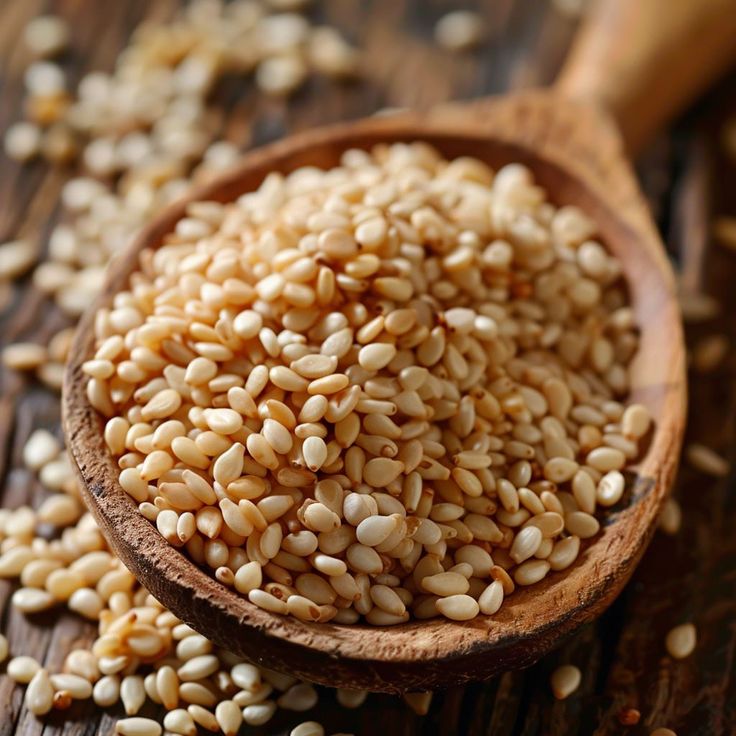
Sesame seed (Sesamum indicum) is one of Nigeria’s top non-oil agricultural export commodities. Widely used in food processing, confectionery, oil extraction, and pharmaceuticals, sesame seed enjoys strong and consistent global demand, making it a high-earning export product for Nigerian exporters.
What Is Sesame Seed and Why Is It Important?
Sesame seed is an oil-rich seed crop valued for its nutty flavor, high oil content, and nutritional benefits.
Key Uses of Sesame Seed
-
Bakery and confectionery products
-
Sesame oil production
-
Tahini and hummus
-
Health foods and supplements
-
Pharmaceutical and cosmetic industries
Nutritional & Health Benefits
-
Rich in healthy fats and protein
-
High in calcium, iron, and magnesium
-
Contains antioxidants (sesamin & sesamol)
-
Supports heart health
Why Export Sesame Seed from Nigeria?
Nigeria’s Export Advantage
-
Among Africa’s leading sesame seed producers
-
Competitive pricing and high oil content
-
Suitable climate across multiple regions
-
Increasing acceptance in premium global markets
Nigeria is recognized globally for natural white and brown sesame seeds.

Major Sesame Seed Producing States in Nigeria
Sesame seed is widely cultivated in:
-
Benue State
-
Nasarawa State
-
Taraba State
-
Jigawa State
-
Kano State
-
Kebbi State
-
Yobe State
-
Niger State
Export Grades and Types of Sesame Seed
Natural White Sesame Seed
-
High demand in Europe and Asia
-
Used in bakery and oil extraction
Brown / Black Sesame Seed
-
Preferred for oil extraction and traditional medicine
Hulled Sesame Seed
-
Value-added product
-
Used in confectionery and snacks
Quality Standards for Sesame Seed Export
International buyers require:
-
Purity: ≥ 99%
-
Moisture content: ≤ 6–8%
-
Oil content: 48–52%
-
Free from stones, sand, insects, and mould
-
Uniform size and color
-
Low free fatty acid (FFA) levels
Strict compliance is required for EU, Japan, and USA markets.

Packaging for Sesame Seed Export
Bulk Export Packaging
-
Polypropylene (PP) bags (25kg–50kg)
-
Jute bags with inner liners
Retail & Processed Packaging
-
Vacuum-sealed bags
-
Paper or foil packs
Labeling should include:
-
Product name and grade
-
Net weight
-
Country of origin (Nigeria)
-
Exporter details
-
Batch/lot number
Export Documentation Required
To export sesame seed from Nigeria:
-
CAC Registration Certificate
-
NEPC Exporter Certificate
-
NXP Form
-
Phytosanitary Certificate (NAQS)
-
Certificate of Origin
-
Commercial Invoice
-
Packing List
-
Bill of Lading / Airway Bill
-
Fumigation Certificate
Optional certifications:
-
Organic certification
-
HACCP
-
ISO 22000

Step-by-Step Sesame Seed Export Process
-
Register business with CAC and NEPC
-
Source high-quality sesame seeds from farmers
-
Clean, sort, and grade seeds
-
Conduct laboratory testing
-
Package according to buyer specifications
-
Process export documents
-
Ship and track cargo
Major Global Markets for Sesame Seed
-
Asia: Japan, China, South Korea, India
-
Middle East: UAE, Turkey, Israel
-
Europe: Netherlands, Germany, France
-
Africa: Egypt
-
North America: USA, Canada
Japan and China are among the largest importers of Nigerian sesame seed.

Challenges in Sesame Seed Export
-
High quality compliance standards
-
Price volatility in global markets
-
Contamination risks during storage
-
Logistics and port delays
Tips for Successful Sesame Seed Export
-
Focus on high-purity grades (99%+)
-
Use proper drying and moisture control
-
Work with certified cleaning facilities
-
Lock in buyers with contracts
-
Monitor international price trends
Conclusion
Sesame seed export from Nigeria remains a high-volume, high-value non-oil export opportunity. With the right quality control, packaging, and compliance, exporters can access lucrative global markets and build long-term trade relationships.