
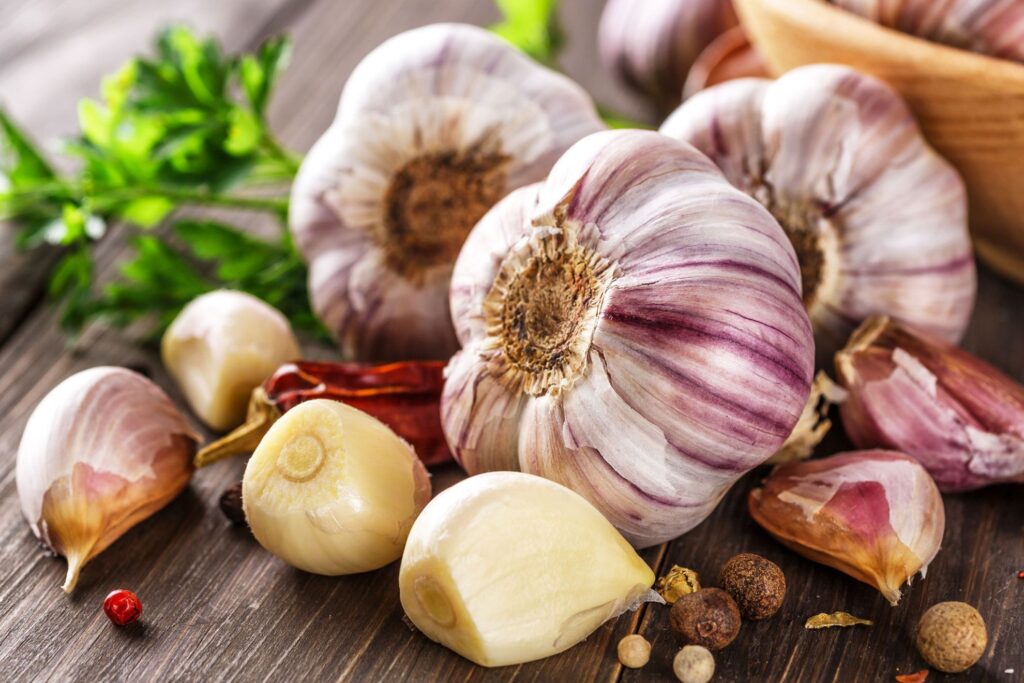
Garlic (Allium sativum) is one of the world’s most traded spices and medicinal food crops. It is widely valued for its distinct aroma, culinary versatility, and powerful health benefits. Nigerian garlic, though still an emerging export commodity compared to ginger, is gaining increasing attention in international markets due to rising global demand and Nigeria’s expanding agricultural capacity.
What Is Garlic and Why Is It in High Demand?
Garlic is a bulbous plant used globally as:
-
A culinary spice
-
A medicinal and herbal ingredient
-
A food preservative
-
An ingredient in pharmaceuticals and cosmetics
Key Health Benefits Driving Demand
-
Boosts immune system
-
Anti-bacterial and anti-viral properties
-
Supports heart health and blood circulation
-
Used in herbal medicine and supplements
Because of these benefits, garlic demand continues to rise across Europe, the Middle East, Asia, and North America.
Why Export Garlic from Nigeria?
Nigeria’s Export Advantages
-
Favorable climate for garlic cultivation
-
Availability of both fresh and dried garlic
-
Competitive pricing compared to many producing countries
-
Increasing adoption of improved farming and drying methods
Although China dominates global garlic exports, many buyers now seek alternative sources to diversify supply chains—creating opportunities for Nigerian exporters.
Major Garlic Producing Areas in Nigeria
Garlic is mainly cultivated in:
-
Kano State
-
Kaduna State
-
Sokoto State
-
Jigawa State
-
Kebbi State
These regions provide suitable soil conditions and seasonal cycles for quality garlic production.
Export Forms of Garlic
Garlic can be exported in several forms depending on buyer requirements:
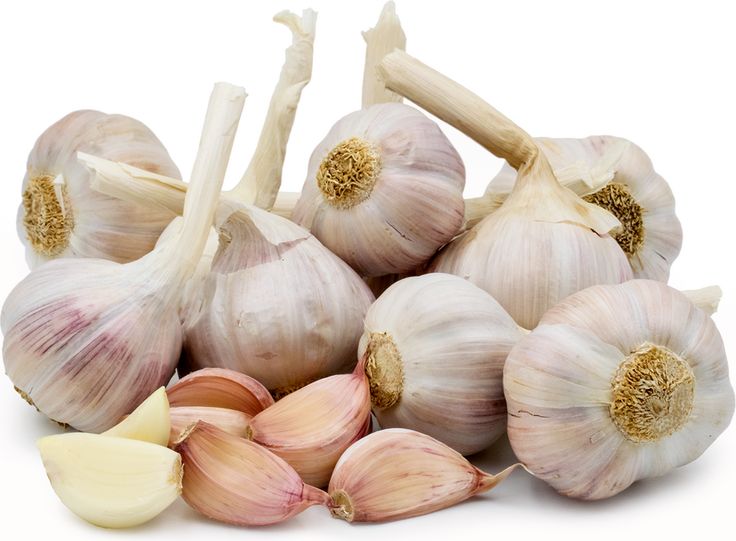
Fresh Garlic Bulbs
-
Whole bulbs with intact skin
-
High demand in Middle East and African markets
-
Requires good ventilation and careful handling
Dried Garlic
-
Longer shelf life
-
Lower transportation risk
-
Preferred for bulk international shipping
Garlic Cloves (Separated)
-
Cleaned and graded
-
Used by food processors
Garlic Powder / Granules
-
Value-added product
-
Used in food manufacturing, seasoning blends, and pharmaceuticals
Quality Standards for Garlic Export
International buyers usually require the following specifications:
-
Firm, mature bulbs
-
Free from mould, rot, and pest damage
-
Moisture content (for dried garlic): ≤ 8–10%
-
Uniform bulb size and color
-
No chemical residues beyond acceptable limits
Failure to meet quality standards can result in shipment rejection or price reduction.
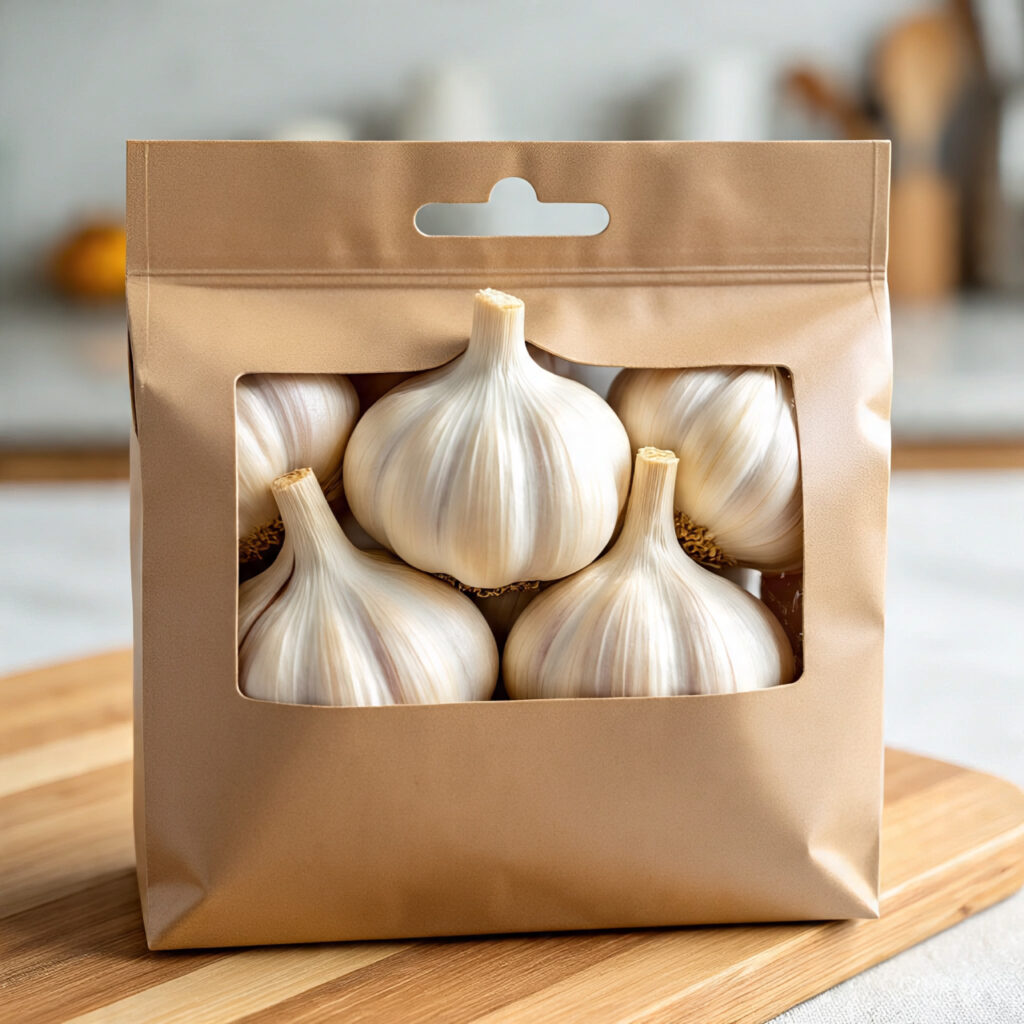
Packaging for Garlic Export
Fresh Garlic Packaging
-
Mesh bags (10kg–25kg)
-
Ventilated cartons
-
Allows airflow and prevents moisture buildup
Dried Garlic Packaging
-
Polypropylene (PP) bags
-
Jute bags with inner liners
-
Food-grade sacks
Garlic Powder
-
Sealed foil bags
-
Food-grade plastic containers
-
Drums for bulk export
All packages should be clearly labeled with:
-
Product name
-
Country of origin (Nigeria)
-
Net weight
-
Exporter details
-
Batch/lot number
Export Documentation Required
To legally export garlic from Nigeria, the following documents are required:
-
CAC Certificate (Company registration)
-
NEPC Exporter Certificate
-
NXP Form (via authorized bank)
-
Phytosanitary Certificate (NAQS)
-
Certificate of Origin
-
Commercial Invoice
-
Packing List
-
Bill of Lading / Airway Bill
-
Fumigation Certificate (where required)
Optional but advantageous:
-
HACCP
-
Organic certification
-
ISO food safety standards
Steps to Export Garlic from Nigeria
-
Register as an Exporter
Obtain CAC and NEPC registration. -
Source Quality Garlic
Work directly with farmers or reliable aggregators. -
Cleaning & Grading
Remove dirt, damaged bulbs, and foreign matter. -
Drying & Processing
Reduce moisture content to export-safe levels. -
Quality Inspection & Certification
Secure phytosanitary and fumigation certificates. -
Packaging & Labeling
According to buyer and destination country requirements. -
Shipping & Logistics
Use sea freight for bulk orders; air freight for urgent or premium shipments.
Major Import Markets for Garlic
-
Middle East: UAE, Saudi Arabia, Qatar
-
Europe: UK, Netherlands, Germany
-
Africa: Ghana, Senegal, South Africa
-
North America: USA, Canada (especially for processed garlic)
Challenges in Garlic Export
-
Competition from large global producers
-
Inconsistent quality from smallholder farmers
-
Poor drying and storage practices
-
Strict food safety regulations in EU and US markets
Success Tips for Garlic Exporters
-
Focus on quality and consistency
-
Invest in proper drying and storage
-
Start with regional or Middle Eastern markets
-
Move into value-added products (powder, granules)
-
Build long-term relationships with buyers
Conclusion
Garlic export from Nigeria presents a strong and growing opportunity for agribusiness exporters. With rising global demand, improved processing methods, and adherence to international standards, Nigerian garlic exporters can compete effectively in the global market. Exporters who focus on quality, certification, and value addition stand to gain higher profits and long-term sustainability.