
Ginger (botanical name Zingiber officinale) is one of Nigeria’s most valuable non-oil export commodities — widely sought after in international markets for its quality, pungency, and versatile industrial uses. Nigeria stands as Africa’s largest ginger exporter and one of the top producers globally.
Why Export Ginger from Nigeria
Global Demand
Ginger has strong global demand across industries such as:
-
Food & Beverage: Spice seasoning, ginger tea, confectionery, ginger ale
-
Pharmaceuticals: Anti-nausea, anti-inflammatory medicines
-
Cosmetics & Personal Care: Lotions, soaps, essential oils
-
Nutraceuticals & Herbal Remedies
Nigeria’s Competitive Advantages
-
Large Production Volume – Nigeria produces hundreds of thousands of metric tonnes annually, with most supply exported.
-
High Oleoresin Content – Nigerian ginger is prized for its strong flavour and high oil concentration compared with many competitors.
-
Diverse Export Forms – Fresh, dried split, powdered, and oil/extract forms offer buyers flexibility.
Key Export Statistics
According to the latest trade data:
-
Nigeria exported approx. 3.2 million kg of ginger worth about $4.7 million in 2024.
-
Major markets include:
-
India (~643,405 kg)
-
Vietnam (~478,410 kg)
-
United Arab Emirates (~387,920 kg)
-
United States (~279,459 kg)
-
Netherlands (~471,072 kg)
-
Note: These figures reflect raw/primary ginger exports. Value can significantly increase with processing and value addition.
Export Formats & Uses
Fresh Ginger
-
Shorter shelf life
-
Requires cold chain logistics
-
Best for markets that process locally
Dried Split Ginger
-
Most popular export format
-
Retains quality and flavour with longer shelf stability
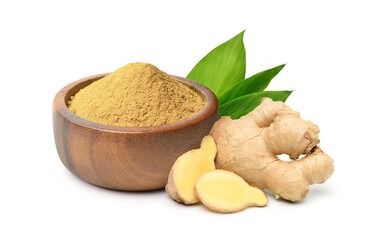
Ginger Powder
-
Premium, value-added form
-
Used in food processing and supplements
Ginger Oil / Extract
-
Highest value form
-
Used in cosmetics, pharma, and food flavourings
Quality Standards & Specifications
International buyers and regulators typically expect:
-
Moisture content: ≤8–10%
-
Oil content: 2–4%
-
Impurities: ≤2%
-
Microbial contamination: none
-
Clean, well-graded appearance
-
Absence of mould, foreign matter, or pests
Meeting these criteria enhances marketability and reduces shipment rejections.
Packaging for Export
Proper packaging protects quality and meets import regulations:
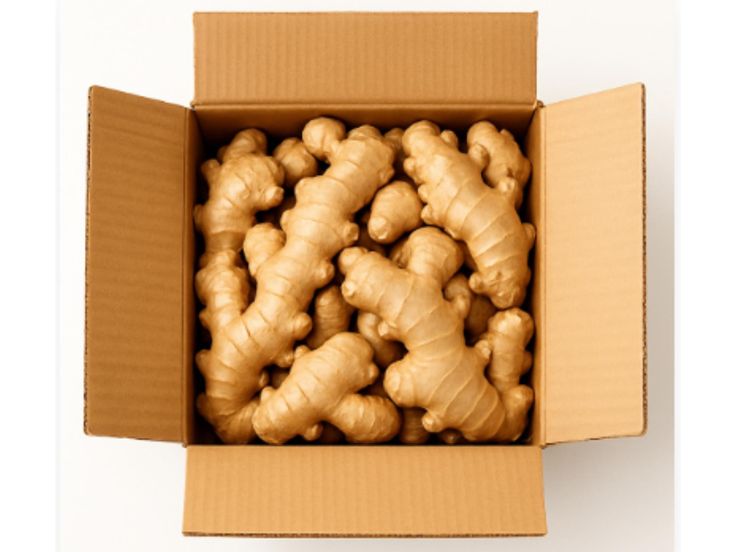
For Fresh Ginger:
-
Ventilated cartons or crates
-
Temperature control (~13–15°C)
-
Maintains freshness during shipment
For Dried Ginger:
-
25kg–50kg polypropylene (PP) bags
-
Inner liners to prevent moisture ingress
-
Clear labeling with origin, grade, and HS code
For Powder / Oil:
-
Vacuum or foil packaging
-
Food-grade drums or sealed containers
-
Batch traceability and safety labeling
Export Documentation & Compliance
To export ginger from Nigeria legally and smoothly, you must prepare: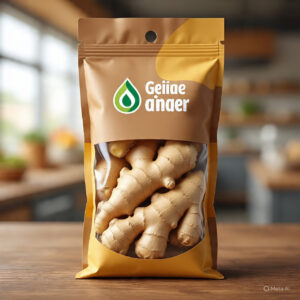
-
Company Registration (CAC)
-
NEPC Exporter Certificate
-
Phytosanitary Certificate (NAQS)
-
Certificate of Origin
-
Commercial Invoice & Packing List
-
Bill of Lading / Airway Bill
-
Quality Test Certificates (e.g., moisture, contamination)
-
Optional: Organic / HACCP / ISO 22000 Certifications for premium markets
Completing documentation accurately ensures customs clearance and buyer confidence.
Steps to Export Ginger – Practical Guide
-
Register as Exporter
-
With CAC & NEPC
-
Obtain NXP form via bank
-
-
Source Quality Ginger
-
From farmers/aggregators in major producing states (e.g., Kaduna, Nasarawa, Gombe).
-
-
Clean, Grade & Process
-
Remove soil, sort by size/quality
-
Dry/generate required product forms
-
-
Quality Testing & Certification
-
Internal checks + lab reports
-
Phytosanitary and fumigation certificates
-
-
Packaging & Labeling
-
Use export-standard materials
-
Include traceability labels
-
-
Arrange Logistics
-
Choose sea freight (common) or air freight (fast)
-
Work with experienced freight forwarders
-
-
Export & Follow-up
-
Monitor shipment
-
Address buyer feedback and documentation as needed
-
Market Opportunities & Growth
Emerging Markets
-
Middle East (UAE, Saudi Arabia)
-
Europe (Netherlands, UK, Germany) – rising demand for quality/processed ginger
-
Americas (USA, Canada) – interest in spices & health products
Value-Added Potential
Processed ginger powder and oils fetch significantly higher prices than raw forms. Exporters who invest in processing, branding, and certification can command premium markets.
Challenges & Success Strategies
Challenges
-
Meeting strict EU/US food safety standards
-
Logistical costs and cold chain requirements
-
Competition from major global suppliers
Success Tips
-
Build quality-focused supply chains
-
Obtain internationally recognized certifications
-
Attend trade fairs & trade missions
-
Partner with traceable, reliable farmers and processors
Conclusion
Ginger export from Nigeria remains a profitable and strategic agricultural business with strong global demand. With proper quality control, certification, and market targeting, exporters can secure long-term contracts, higher prices, and sustainable foreign exchange earnings. Nigerian ginger’s unique flavour, aroma, and versatility position it as a standout commodity in international trade.