
Cloves (Syzygium aromaticum) are one of the world’s most valuable and aromatic spices. Known for their strong flavor, medicinal properties, and wide industrial use, cloves enjoy consistent global demand. As the international market increasingly seeks high-quality natural spices, clove export offers a high-value non-oil export opportunity for Nigerian exporters.
What Are Cloves and Why Are They Important?
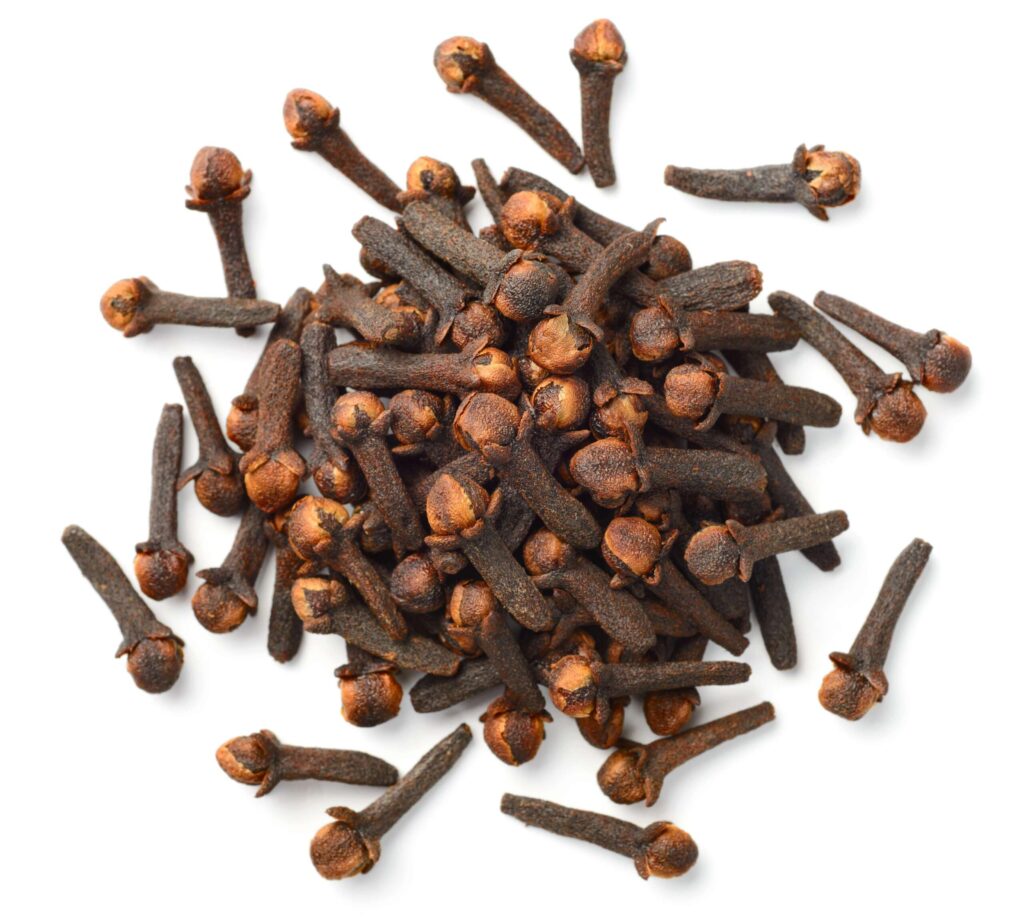
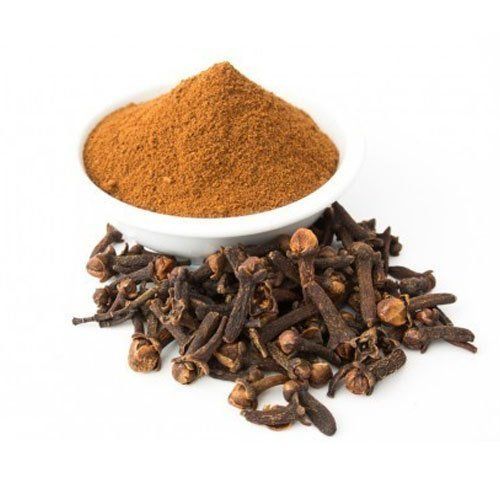
Cloves are dried, unopened flower buds of the clove tree. They are harvested before blooming and sun-dried until they develop their characteristic dark brown color and intense aroma.
Key Uses of Cloves
-
Culinary seasoning and spice blends
-
Food processing and meat preservation
-
Pharmaceutical and herbal medicine
-
Dental care and pain relief products
-
Essential oil production
-
Cosmetics and perfumes
Health Benefits Driving Global Demand
-
Powerful antibacterial and antifungal properties
-
Pain relief (especially dental applications)
-
Supports digestion
-
Anti-inflammatory and antioxidant effects
Why Export Cloves from Nigeria?
Nigeria’s Export Advantage
-
Suitable tropical climate for clove cultivation
-
Growing interest in spice farming across southern states
-
Competitive sourcing costs
-
Strategic export location for Europe, Middle East, and Africa
Although Nigeria is still an emerging supplier, properly processed cloves from Nigeria are increasingly accepted in international markets.
Clove Producing Areas in Nigeria
Cloves are cultivated mainly in:
-
Cross River State
-
Akwa Ibom State
-
Ondo State
-
Edo State
-
Ogun State
These regions provide the humid tropical conditions required for clove trees.
Export Forms of Cloves
Cloves can be exported in various forms depending on buyer needs:
Whole Cloves
-
Most common export form
-
Used in cooking, beverages, and spice blends
Ground (Powdered) Cloves
-
Value-added product
-
Used in food processing and pharmaceuticals
Clove Oil
-
High-value extract
-
Used in dental care, cosmetics, and pharmaceuticals
Quality Standards for Clove Export
International buyers expect:
-
Dark brown to reddish-brown color
-
Strong, sweet, pungent aroma
-
Moisture content: ≤ 10–12%
-
High essential oil (eugenol) content
-
Uniform size and intact buds
-
Free from mould, insects, and foreign matter
Cloves must be properly dried to prevent fungal contamination.
Packaging for Clove Export
Whole Cloves
-
Polypropylene (PP) bags (25kg–50kg)
-
Jute bags with food-grade liners
Ground Cloves
-
Foil pouches
-
Food-grade plastic containers
-
Drums for bulk supply
Packaging labels should include:
-
Product name and form
-
Net weight
-
Country of origin (Nigeria)
-
Exporter details
-
Batch/lot number

Export Documentation Required
To export cloves from Nigeria, the following documents are required:
-
CAC Registration Certificate
-
NEPC Exporter Certificate
-
NXP Form
-
Phytosanitary Certificate (NAQS)
-
Certificate of Origin
-
Commercial Invoice
-
Packing List
-
Bill of Lading / Airway Bill
-
Fumigation Certificate (if required)
Optional certifications for premium markets:
-
Organic certification
-
HACCP
-
ISO food safety standards
Step-by-Step Clove Export Process
-
Register with CAC and NEPC
-
Source quality cloves from reliable farmers
-
Clean, dry, and grade clove buds
-
Conduct quality inspection and testing
-
Package according to buyer specifications
-
Arrange logistics and shipping
-
Deliver and maintain buyer relationship
Major Global Markets for Cloves
-
Europe: UK, Netherlands, Germany, France
-
Middle East: UAE, Saudi Arabia
-
Asia: India, China, Indonesia
-
North America: USA, Canada
-
Africa: Egypt, South Africa
Demand is high for whole cloves with high oil content.
Challenges in Clove Export
-
Competition from major producers (Indonesia, Tanzania)
-
Quality consistency issues
-
Strict food safety regulations in EU and USA
-
Proper drying and storage requirements
Tips for Successful Clove Export
-
Export whole cloves first before processing
-
Invest in moisture control and proper storage
-
Test essential oil content regularly
-
Build long-term relationships with buyers
-
Gradually expand into clove oil production
Conclusion
Clove export from Nigeria offers strong profit potential within the global spice trade. By meeting international quality standards, maintaining proper documentation, and targeting high-demand markets, Nigerian exporters can successfully build a sustainable clove export business.